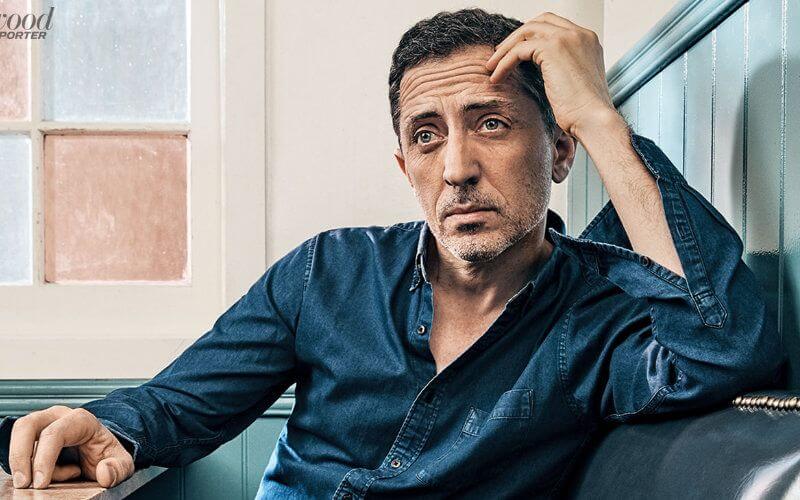
Arié Elmaleh looks back on his Moroccan childhood and life in Gad’s shadow
In Casablanca, Arié Elmaleh spoke French at home and Arabic with his friends. The actor, currently appearing in “Le Sens de l’humour” in Paris, talks about his Moroccan childhood, his father’s performances and his first steps away from the shadow of his famous brother, Gad.
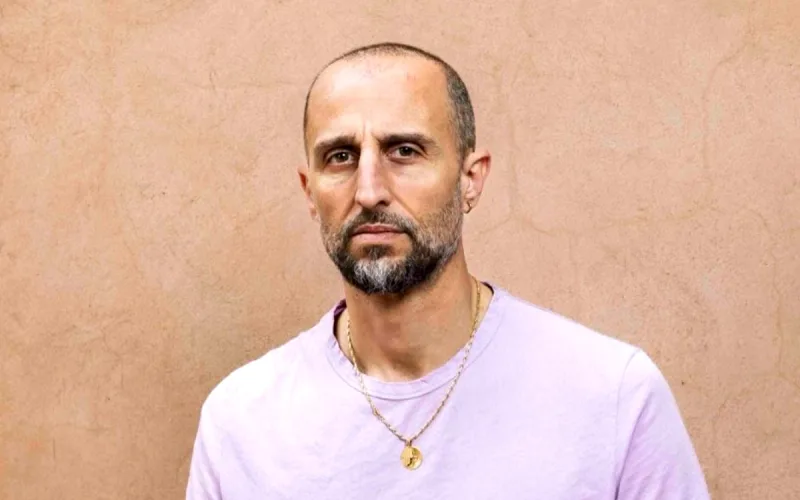
At home, conversations took place in French. But as soon as Arié Elmaleh met up with his friends on the streets of Casablanca, along with his brother Gad, everyone spoke Arabic. “It gave me a dual culture,” says the actor, who attended a French high school in Morocco, in an interview with Belgian magazine Soirmag.
In the Elmaleh family, performing was already part of family life. Their father was an amateur mime. He took to the stage in café-theatres and organized a show for families every year at a tennis club in Casablanca. Gad and Arié grew up with these performances. Their sister Judith also pursued an artistic career, notably as a writer and director.
Gad was already attracting attention before he became famous. “In Morocco, people were already telling me, ‘You’re Gad’s little brother,’” Arié recalls. His older brother was popular among those around them, and the label sometimes irritated the future comedian. Over the years, his perspective changed. Today, he says he is proud of his brother.
The family’s roots go back to the Atlas Mountains, to the village of Tachemchit, where their great-grandparents lived. Arié says Jews and Muslims lived side by side there and that residents worked in trades including leatherworking. His grandfather, orphaned at the age of ten, is said to have left the village on foot for Casablanca. Taken in by a family, he began selling goods in the street before opening a hardware store and making a fortune in business.
After earning his baccalaureate, Arié Elmaleh left Morocco to study law in Strasbourg. The experience lasted only a year. He then went to Paris to become an actor and joined the theatre school run by Jean-Louis Martin-Barbaz. His teacher taught him to perform the great classical works, but also to lose his Moroccan accent, which, he says, sometimes made it sound as though he were singing when he spoke.