Alert in Spain: the "Mocro Maffia" no longer hides and establishes its bases
It is no longer just a rear base for money laundering in the sun. The formidable "Mocro Maffia" is mutating in Spain, transforming the Costa del Sol and the south of the country into a real logistics platform for drug trafficking and organized crime. Between judicial flaws and uncompromising violence, the authorities are sounding the alarm.
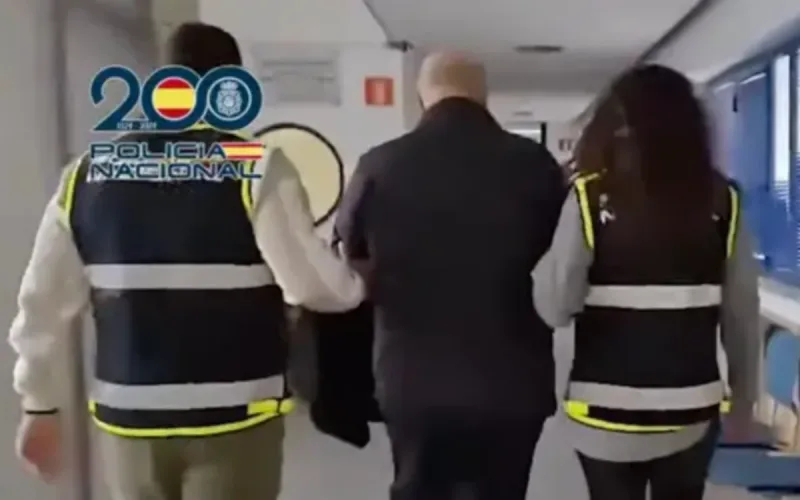
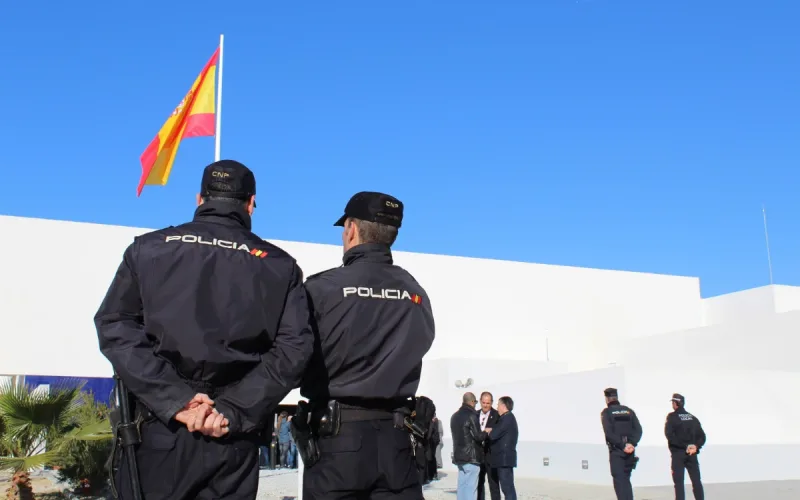
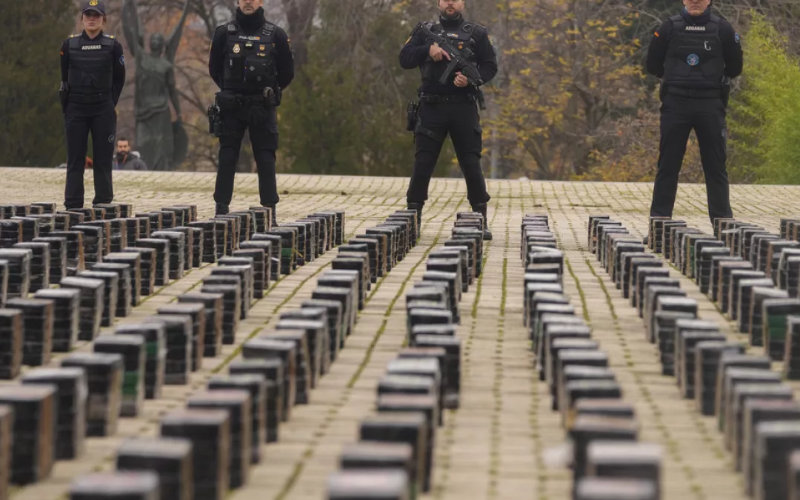
The dismantling, on December 17 last, of a network using an Almería bus company to transport hashish to Belgium is clear proof of this change in strategy, warns El Debate. The "Mocro Maffia" is no longer content to transit; it is settling in. According to police experts, the organization has ceased to use Spain solely as a resting area for its leaders or a paradise for real estate money laundering. Now, it is setting up front companies and logistics infrastructure to facilitate the transport of drugs from Morocco to Northern Europe.
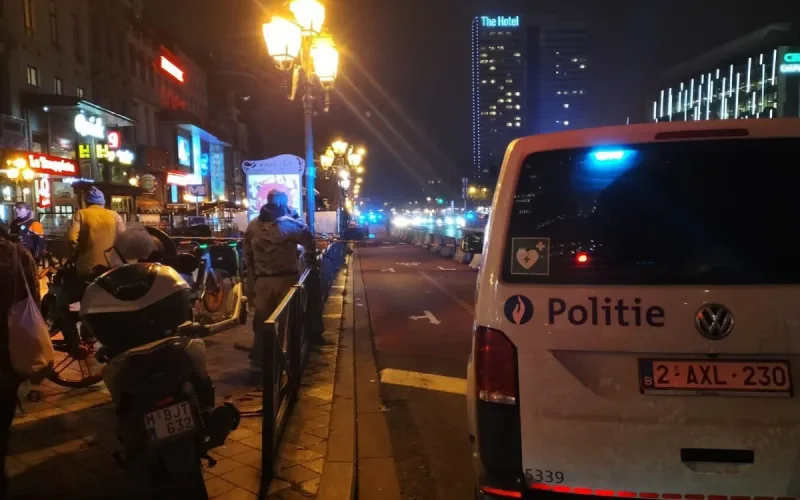
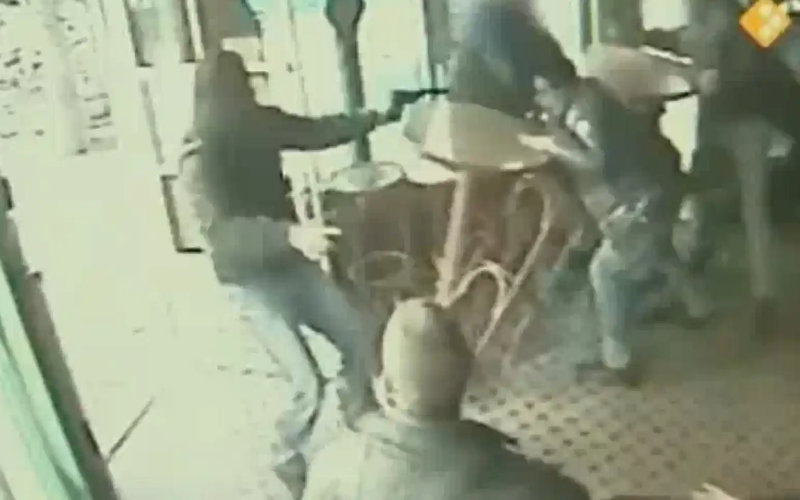
The strength of this mafia lies in its nebulous organization. No single godfather, but a multitude of cells operating like "franchises". This makes the work of the Civil Guard and the National Police particularly arduous: when a group is arrested, it is difficult to link it to the overall structure. Yet the violence is clearly visible. The "sicariat" (contract killing) has been exported to Spanish soil. Settling of scores between drug traffickers, but also external contracts - such as the attempted assassination of the politician Alejo Vidal-Quadras in Madrid - testify to the dangerousness of these groups. Only recently, three individuals who had opened fire in Belgium were intercepted in Algeciras as they tried to flee to Morocco.
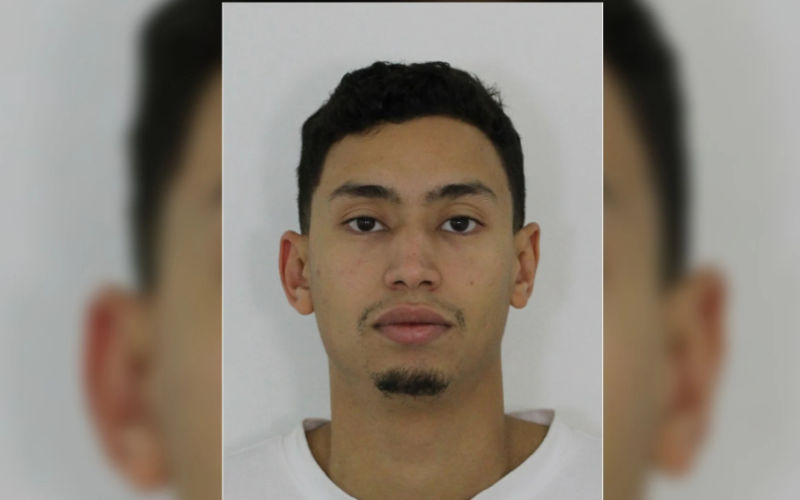
Faced with this rise in power, the Spanish judicial response sometimes shows worrying signs of weakness. The case of Karim Bouyakhrichan, one of the leaders of the organization, remains a thorn in the side of the police services. Arrested and then released in April 2024 following a procedural error and a controversial decision by a Malaga court, he took advantage of his provisional release to disappear into thin air, while the Netherlands were demanding his extradition. A scenario that echoes the warnings from Belgium, where a prosecutor recently alerted to the risk of the country becoming a "narco-state". Spain, with its immediate geographical proximity to Morocco and its "hashish highways" now dotted with mafia logistics relays, seems to be the new battleground for these criminal networks.