After the caftan, Morocco prepares its zellige bid at UNESCO
Morocco will present the know-how associated with zellige for inscription on UNESCO’s Intangible Cultural Heritage list. The file will be submitted as part of the 2027 cycle.
The announcement was made in Paris by Samir Addahre, Morocco’s ambassador and permanent delegate to UNESCO, during a reception held to mark the Throne Day.
On Bladi.net : Morocco UNESCO zellige heritage battle against Algeria
The diplomat said that the Kingdom would propose “the art of Moroccan zellige” to the UN organization. At this stage, this is an announcement of a future nomination: the Moroccan file does not yet appear among the nominations officially published by UNESCO for the 2027 cycle.
According to Atlasinfo, Samir Addahre presented this initiative as continuing Morocco’s policy of protecting and transmitting traditional know-how. Morocco currently has nine sites inscribed on the World Heritage List and 16 elements recognized as intangible cultural heritage.
After the caftan victory
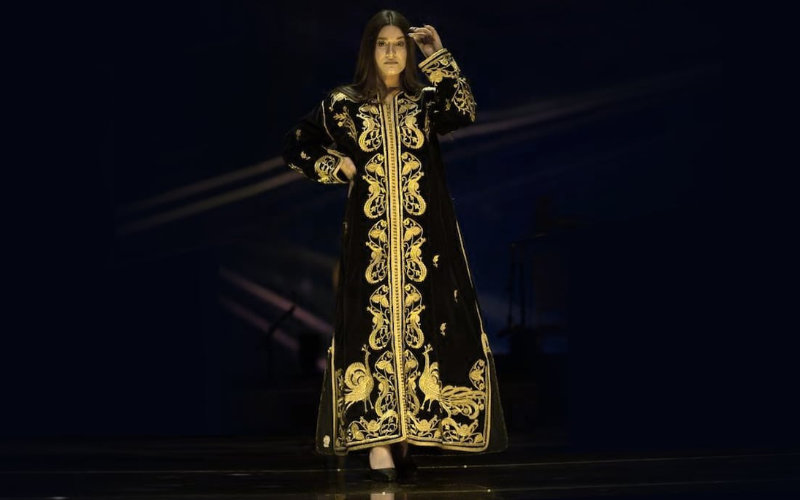
This new heritage initiative comes a few months after the official inscription of the Moroccan caftan on the Representative List of the Intangible Cultural Heritage of Humanity.
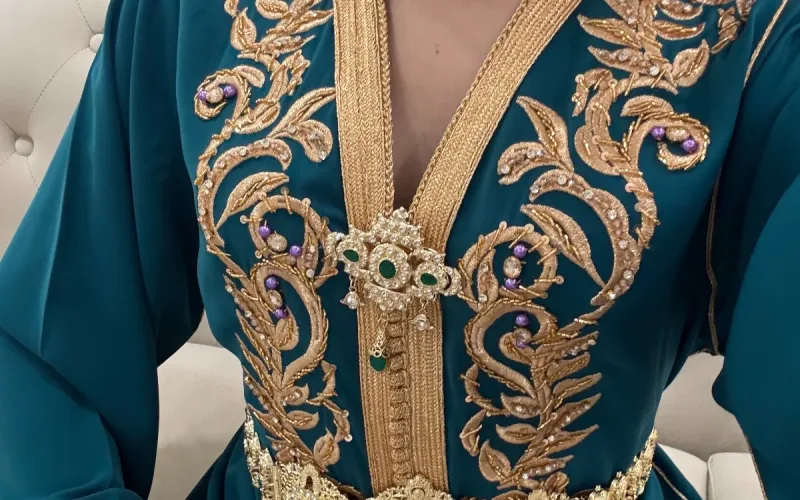
The decision, taken in December 2025, recognizes the traditions, craft techniques and know-how associated with making the Moroccan garment.
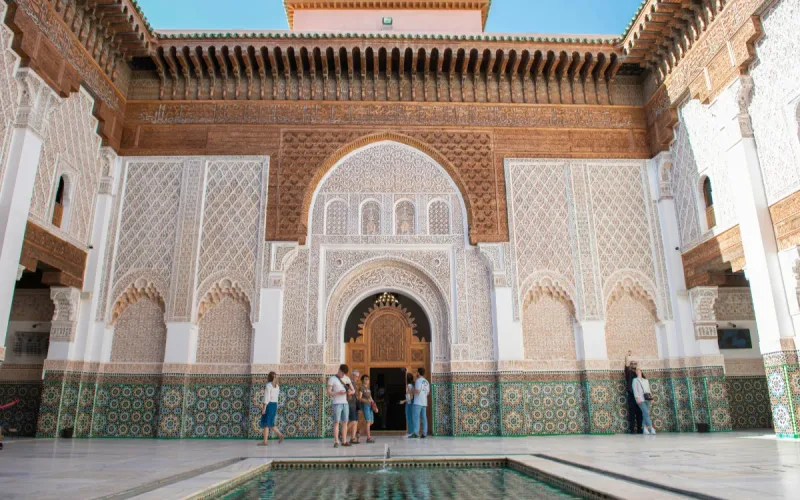
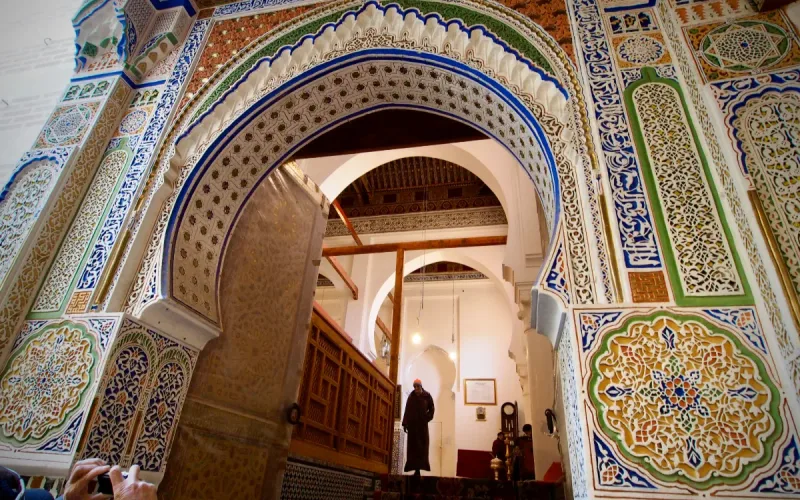
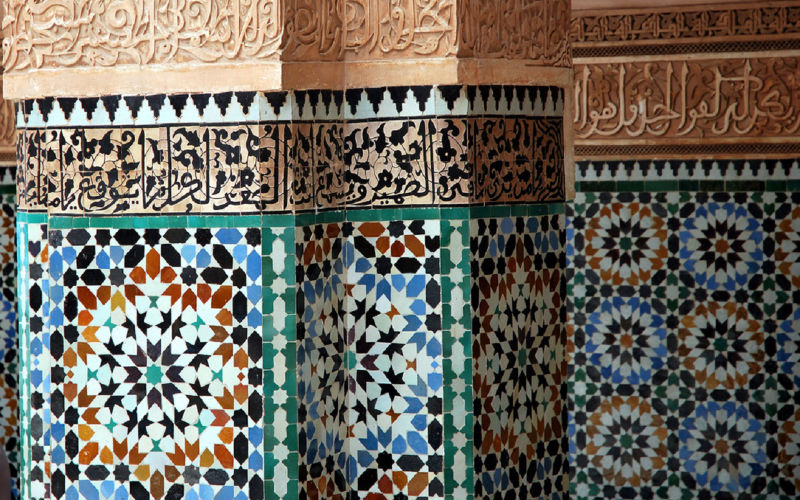
With zellige, Morocco now wants to protect another emblematic element of its architecture. This craft is based on the manual cutting of glazed terracotta tiles, assembled to form the geometric compositions seen in palaces, mosques, madrasas and traditional houses.
The timetable is nevertheless likely to be sensitive. As part of the 2026 cycle, UNESCO must already examine a nomination submitted by Algeria under the name “The art of architectural ornamentation in zellidje, glazed ceramics: associated knowledge and know-how.”
On Bladi.net : Morocco Wins UNESCO Dispute Over Traditional Caftan Image
The file being prepared by Rabat will therefore have to precisely define the communities concerned, the manufacturing methods, the safeguarding measures and the characteristics of Moroccan know-how. Its inscription will not be automatic: it will depend on the evaluation of the file and then on a decision by UNESCO’s Intergovernmental Committee.