After Russia, Morocco authorizes American pork casings
Five months after the Russian imports controversy, U.S. authorities announce that Morocco now accepts pork casings from the United States. A strictly regulated opening from a health and safety standpoint.
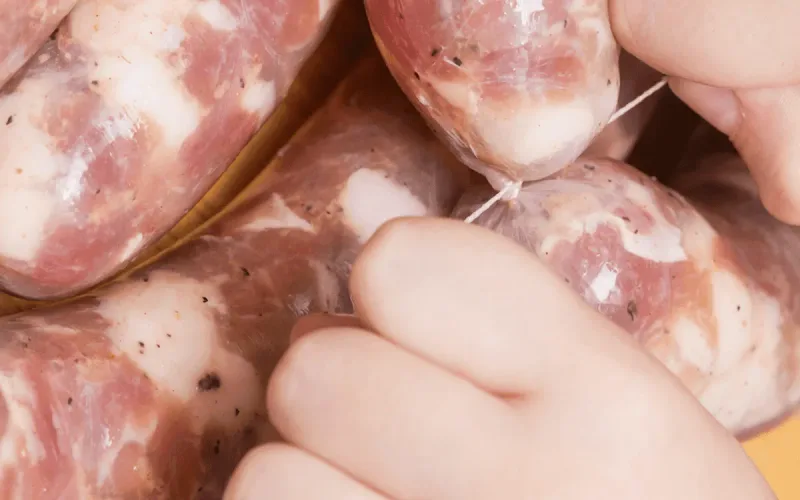
The decision took effect on August 14, 2026. In an update published a week later, the U.S. Department of Agriculture’s Food Safety and Inspection Service officially announced that Morocco now accepts pork casings sourced from U.S. establishments.
This opening does not automatically apply to all companies in the sector. Each establishment wishing to export to the Kingdom must submit form FSIS 9080-3 to the U.S. administration in order to be added to the list of approved sites. These new requirements appear in the official notice from the U.S. Department of Agriculture.
On Bladi.net : No trace of pork casings in sausages sold in Morocco
The announcement comes a few months after a similar controversy sparked by the arrival in Morocco of a shipment of Russian pork casings from the Kursk region. The National Association of Casing Exporters had then explained that these products were temporarily imported for processing and then fully re-exported.
According to Moroccan industry professionals, this sector has operated for more than twenty years under the supervision of the National Office for Food Safety (ONSSA). Around twenty Moroccan companies reportedly process approximately 20 000 tonnes of casings per year for foreign markets, notably European, American and Japanese ones.
Not a general authorization for pork meat
The new decision should be interpreted with caution. The U.S. notice specifically concerns pork casings and does not constitute a general authorization to export pork meat to Morocco. Nor does it mean that these products will be used in sausages sold to Moroccan consumers.
In the Russian case, industry professionals had assured that the casings concerned were suitable neither for the shapes nor for the dimensions used on the local market. Moroccan preparations are reportedly based on casings from sheep, goats or cattle from domestic slaughterhouses.
On Bladi.net : article 50656
The U.S. administration does not, however, specify whether future shipments will benefit from exactly the same temporary import and re-export regime as the Russian goods. In the absence of a new communication from ONSSA or Moroccan industry professionals, it would therefore be premature to assert either their local sale or their systematic re-export.