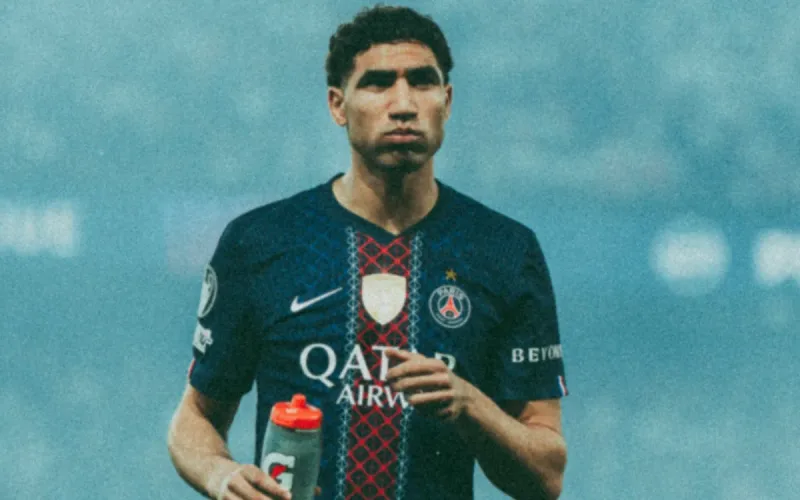
Achraf Hakimi Morocco Haiti Perfect Match 10/10 Rating
Against Haiti, Achraf Hakimi delivered a complete match. His goal and assist only summarize part of his influence: Opta figures show a player who has become Morocco’s primary offensive engine.
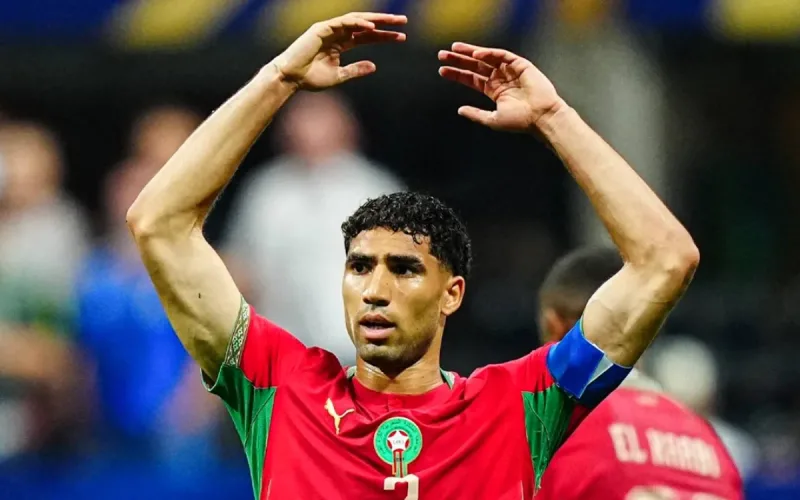
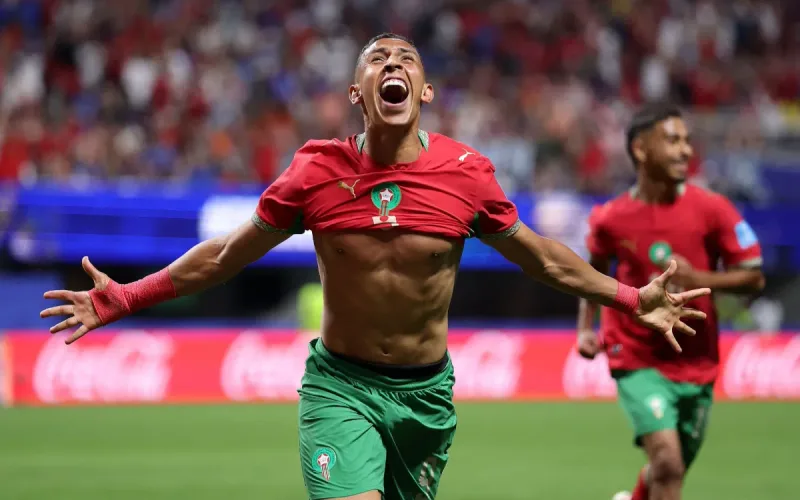
Morocco beat Haiti 4-2, but one name stands out very clearly from the match data: Achraf Hakimi. The Moroccan right-back finished the match with the best possible Opta rating, 10/10. A rare reward that cannot be explained solely by his goal or assist.
On Bladi.net : Morocco crosses Haiti World Cup aerial threat analysis
On paper, Hakimi was a defender. In reality, he played like a winger, a creator and sometimes even as an extra striker. He finished the match with 1 goal, 1 assist, 5 shots, 3 shots on target, 9 crosses, 62 passes and 7 shot-creating actions. No other Moroccan player had as much impact in creating danger.
The most revealing figure is perhaps the number of shot-creating actions. Morocco totaled 15 over the entire match. Hakimi generated 7 by himself. In other words, nearly half of Morocco’s situations that resulted in a shot went through him. This is no longer just the usual contribution of a modern full-back: it’s a form of offensive dependence.
His activity down the right flank also weighed heavily. With 9 crosses out of 22 attempted by Morocco, Hakimi alone represented more than 40% of Morocco’s volume in this area. The Atlas Lions’ play clearly tilted toward his side. With every run forward, he forced Haiti to defend deeper, to slide across, and then to open spaces elsewhere.
His expected goals is also very high for a defender: 1.029 xG. That’s almost a third of Morocco’s total, estimated at 3.262 xG. This shows that Hakimi didn’t just shoot from distance or participate peripherally. He found himself in real finishing zones, with clear-cut chances.
This data changes how we read his match. Hakimi wasn’t just a winger tasked with bringing the ball forward. He was himself a direct threat. His 5 shots, 3 of which were on target, place him among the most dangerous players in the match. For a full-back, this volume is exceptional.
A full-back turned offensive focal point
The match also shows the evolution of his role in this Morocco team. Hakimi no longer simply provides width. He becomes a permanent support point in offensive phases. When Morocco settles into their play, he is often the one who delivers the final impetus: a cross, a shot, a through ball or a pass before a chance.
This influence is valuable because it gives Morocco a weapon very difficult to control. An opponent can prepare a plan to block the midfielders, close down the center or monitor the strikers. But when danger also comes from a defender pushing so high, the opposing balance becomes much more fragile.
The problem is that this strength can also become a risk. The higher Hakimi goes, the more his flank must be covered behind him. Against Haiti, Morocco won 4-2, but still conceded two goals. This detail cannot be ignored. Hakimi’s offensive influence is immense, but it forces the team to be perfectly organized when losing the ball.
This is probably one of the major lessons from the match. Morocco can be very dangerous when Hakimi is released offensively. But for this weapon to remain viable against a stronger opponent, the midfielders and defensive line will need to better compensate for his runs forward. Otherwise, what makes the Lions strong can also open dangerous spaces.
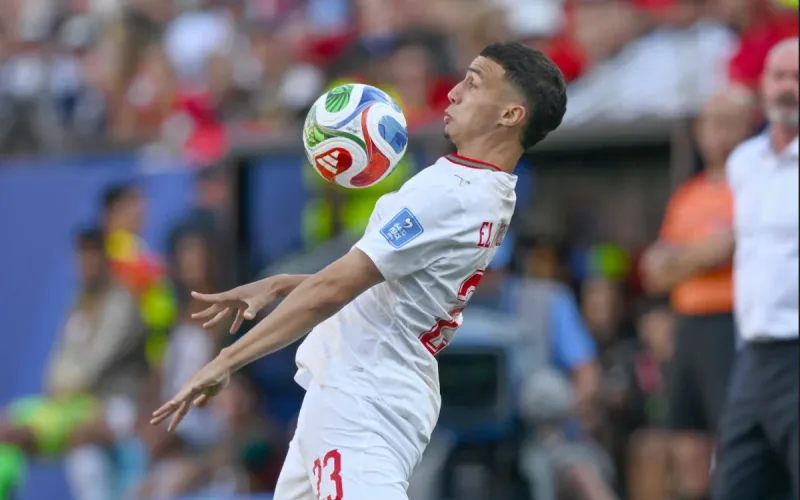
His partnership with the midfielders worked well nonetheless. Bilal El Khannouss, very active in circulation, and Ismael Saibari, more focused on the box, created relays around him. But Hakimi remained the player who gave the most depth and cutting edge to Morocco’s play.
His match also tells something important for the rest of the World Cup: Morocco has a player capable of unlocking a match without waiting for an exploit from his strikers. In a tournament, this type of profile matters enormously. When spaces close down, when the pace drops or when the opponent resists, Hakimi can create the imbalance by himself.
The victory against Haiti therefore confirms an obvious fact, but with very strong figures: Achraf Hakimi is not just one of the leaders of this team. He has become one of its main creators. His match against Haiti was not that of a full-back who accompanies actions. It was that of a player around whom a large part of Morocco’s play was built.
On Bladi.net : PSG - Bayern: Achraf Hakimi’s ratings from the sports press
For Morocco, this is excellent news. But it’s also a tactical warning. If Hakimi is so indispensable in creation, this role must be protected, supported and the team must avoid becoming too predictable. Against Haiti, his influence was enough to swing the match. Against a stronger opponent, it will need to be better managed to avoid leaving Morocco exposed.