200 million per project and strict controls: How the Foreign Exchange Office locks down Moroccan expansion
Moroccan investments outside the borders have reached nearly 4 billion dirhams at the beginning of 2026. Under the watchful eye of the Foreign Exchange Office, this dynamic confirms the economic leadership of the Kingdom, particularly in sub-Saharan Africa.
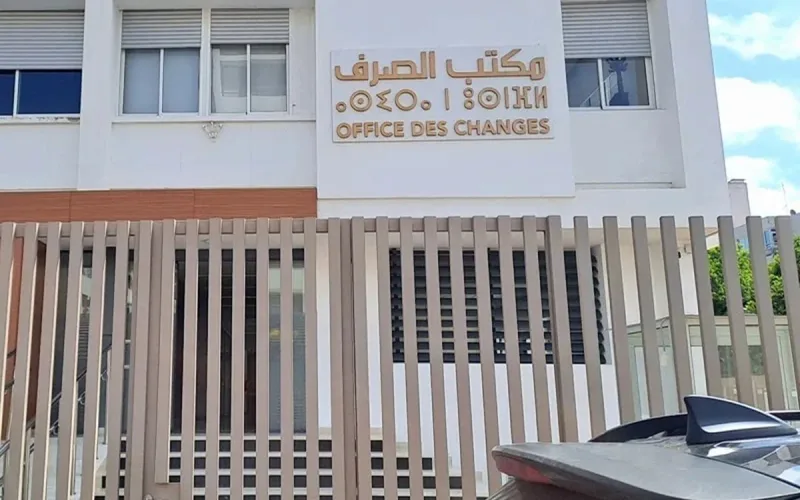
Over the first two months of 2026, domestic investors transferred 3.94 billion dirhams abroad, an increase of 3.6% year-on-year. This activity is strictly regulated: according to Assabah, companies can mobilize up to 200 million dirhams per year for their projects. Banks ensure the traceability of the files to allow the inspectors of the Foreign Exchange Office to verify the compliance of each payment or import operation.
On Bladi.net: Roads: Morocco launches a massive plan
The Foreign Exchange Office exercises rigorous supervision to prevent any misuse of the facilities granted. Investors have a legal obligation to repatriate the profits generated as well as the proceeds from the sale of the financed projects. At the end of February, the institution had already recorded the return of 2.456 billion dirhams in investment income. This meticulous control ensures that the exported capital respects the repatriation deadlines imposed by the legislation.
The African continent remains the preferred target of the Kingdom, capturing 54.3% of its total foreign investments. Sub-Saharan Africa alone accounts for 88% of Moroccan flows on the continent. This constant deployment strategy has allowed Morocco to establish itself, over the past decade, as the leading investor in West Africa and the second largest on the entire continent.
On Bladi.net: Automotive in the lead, phosphates in decline: the contrasting assessment of Moroccan exports
Finance largely dominates this expansion, with the banking sector accounting for 52% of the shares, or more than 6 billion dirhams invested. Despite fierce competition from American or Nigerian institutions, Moroccan banks are consolidating their presence in many countries. Telecommunications (32%), holdings (7%) and industry (3%) complete this sectoral podium, illustrating an ambitious strategy to support the growth of African markets.