What the Moroccan autonomy plan for the Sahara concretely provides for
At the initiative of the United States, the Security Council resolution presents the autonomy plan proposed by Morocco as the most realistic and credible option for reaching a political solution to the conflict that has opposed Rabat to the Polisario Front, supported by Algeria, for several decades.
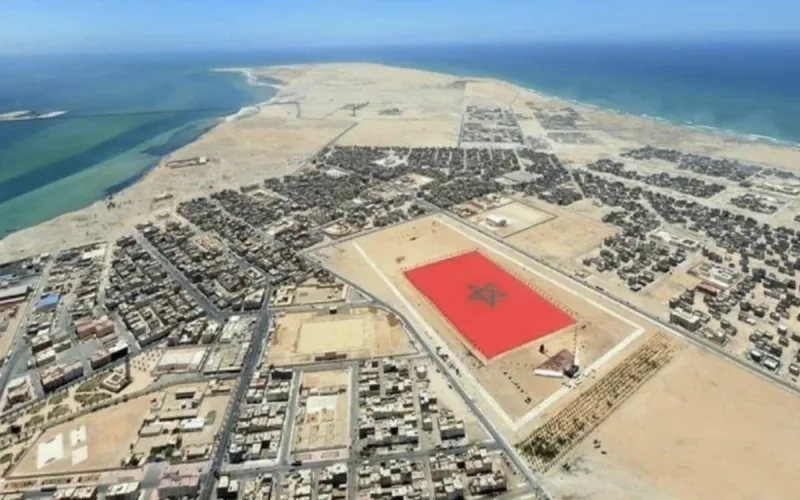
In April 2007, the Kingdom of Morocco had transmitted to the United Nations Security Council an "Initiative for the Negotiation of an Autonomy Statute for the Sahara Region", described as a compromise response to the repeated calls of the UN for a "definitive and mutually acceptable political solution". This document, registered under the reference S/2007/206, defines the institutional, legal and democratic framework of the future autonomy status.
A regional government and elected institutions
• The text states that the populations of the Sahara "will manage their own affairs democratically through legislative, executive and judicial bodies with exclusive powers".
• A regional parliament, composed of members elected by the Sahrawi tribes and by direct universal suffrage, would exercise legislative power, with "appropriate female representation".
• The regional head of government, elected by the Parliament and invested by the King, would form the government of the region and represent the State.
• Independent regional courts, including a superior regional court, would render their decisions "independently, in the name of the King".
Broad local powers and own resources
The Autonomous Region of the Sahara would have extensive powers:
"Local administration, regional police, economic development, trade, industry, tourism, agriculture, education, health, employment, Hassani culture, housing, environment and infrastructure".
The text specifies that these institutions will have the financial resources necessary for their development, from local taxes and levies, revenues from the exploitation of natural resources and national solidarity mechanisms.
The populations of the region will remain represented "within the Parliament and other national institutions" and will participate "in all national electoral consultations".
The sovereign powers reserved for the Moroccan State
Paragraph 14 of the document establishes that the State retains exclusive competence over:
"The flag, the national anthem, the currency, defense, foreign relations and the religious attributions of the King, Commander of the Faithful".
All regional laws and decisions must be in conformity with the Constitution of the Kingdom, guaranteeing respect for human rights "as they are universally recognized".
The autonomy status will have to be negotiated and then submitted to a referendum of the populations concerned, in accordance with the United Nations Charter and the principle of self-determination.
A constitutional revision will integrate the status into the national legal order.
The text also provides for a general amnesty and the full reintegration of repatriated persons "under conditions guaranteeing their dignity, their safety and the protection of their property".
The document concluded in 2007:
"The Kingdom considers that the momentum generated by this initiative offers a historic opportunity to definitively settle this issue."