
They Found Their Future in Europe; Ceuta Brutally Sends Them Back to Morocco
Settled in the Netherlands, Moroccans are watching the Ceuta crisis with a particular unease. Their families once left Morocco to build their future in Europe. Seeing young people today risk their lives to follow the same direction acts as a brutal mirror.
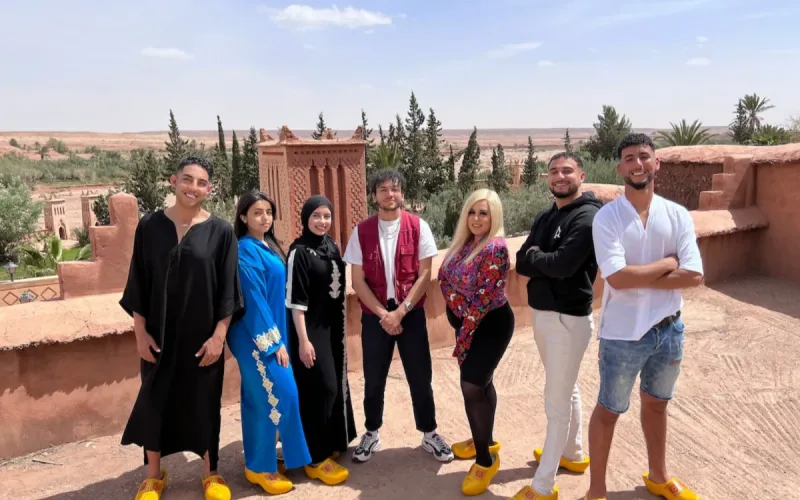
This feeling has resurfaced in the Netherlands. In a column published Friday, Parlement.com looks back at the reactions of Dutch Moroccans to the mass influx toward Ceuta and the conflicting emotions provoked by images of young people leaving Morocco to try to enter Europe.
Director Hajar Fargan thus speaks of a “painful mirror.” As a European, she acknowledges benefiting from what Europe offers while at the same time considering that this Europe has become a fortress whose borders prevent other people from entering. But the Netherlands and Europe remain her home, the place where her loved ones live and where her story was built.
On Bladi.net : Moroccan Dutch Identity: Beyond the Binary Choice
This paradox is particularly strong for the younger generations. Many were born or grew up in the Netherlands, work there and have built their lives there, while maintaining a connection with Morocco. This situation explains why young Moroccans in Europe no longer experience Morocco as their parents do, without breaking with the country of their origins.
Ceuta Reverses Migration History
The images coming from Ceuta thus produce a strange reversal. The parents or grandparents of many Moroccans in the Netherlands had left the Kingdom to seek work and a future in Europe. Several decades later, their descendants live on the other side of this border, while new young Moroccans are in turn trying to cross it.
This contradiction arises as some Moroccans born in the Netherlands still say they are regularly referred back to their Moroccan origins. Ceuta places them this time in the opposite position: they may feel deeply concerned by what is happening in Morocco while viewing the crisis from a Europe that has become their own home.
The column takes the observation as far as Dutch politics. The Chamber currently has 18 MPs who were themselves born abroad or have at least one parent who was, mainly with Moroccan, Turkish and Surinamese origins. The author nevertheless notes that this inner tension, highly visible in the testimonies of Dutch Moroccans, has been little expressed in political reactions to Ceuta.
On Bladi.net : Ceuta Border: Moroccan Youths Lured by Spain Visa Hopes Face Hunger
For part of the Moroccan diaspora, Ceuta therefore tells a story other than that of a migration crisis at the border between Morocco and Spain. The young people looking toward Europe are taking, by other means and in far more dangerous conditions, a direction familiar from their family history. Those who found their future in Europe thus discover in Ceuta the reflection of those who are still seeking to enter it.