Real estate: Spain tightens the screws, Moroccan investors affected
Bad news for the many Moroccans who have invested in real estate in Spain. The government of Pedro Sánchez has launched a major offensive against tourist rentals, aiming to remove several tens of thousands of homes from platforms like Airbnb and Booking. New strict rules are coming into effect, complicating the task of owners.
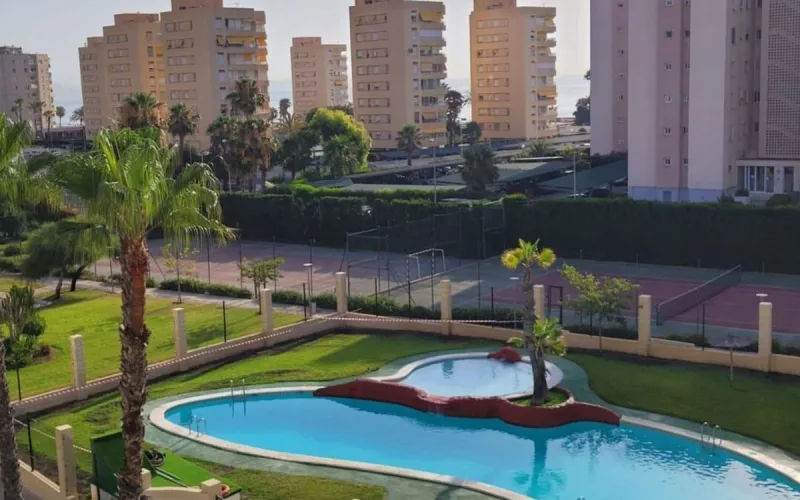
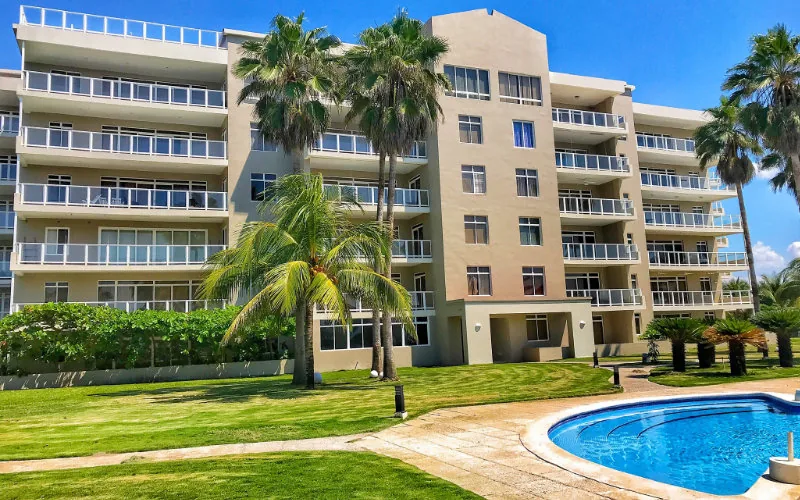
Spain, a popular destination for some Moroccan investors for the purchase of second homes, is toughening its stance. Faced with a housing crisis that is pushing locals out of city centers, the Spanish government is tackling seasonal rental profitability. The objective is clear: to recover housing for permanent residents.
The most targeted cities are Marbella, Málaga, Madrid and Barcelona. These areas alone account for a large part of the 54,000 listings that Madrid wants to see disappear from booking platforms.
What changes for owners
To continue renting out their property on a short-term basis, the process becomes a real administrative ordeal:
• Neighbors’ agreement: Since April, the condominium law now requires the explicit agreement of 60% of the building’s co-owners to authorize tourist rentals.
• Registration number: It is now mandatory to register one’s property in a national registry. This number must appear on all online listings. Without this, Airbnb and Booking are obliged to remove the offer.
• Technical requirements: The accommodation must meet strict standards (air conditioning, first aid kit, specific insurance).
No panic, but necessary compliance
According to industry experts, those who comply with the rules have nothing to fear. The measure is mainly aimed at illegal rentals and "clandestine hotels" in city centers. Properties located in purely coastal areas ("Costas"), designed for tourism, are less threatened by the residents’ backlash, but are not exempt from administrative obligations.
The authorities are also stepping up checks, with the police tracking down wild rentals even on social networks. For owners, the message is twofold: it is still possible to make a profit from your second home in Spain, provided you declare your activity, pay your taxes on site and, above all, ensure that all the new bureaucratic procedures are scrupulously respected.