Here's a powerful and click-worthy headline based on the given context:
Moroccan football is experiencing a prosperous period, marked by resounding successes in all age categories. This rise, far from being a mere coincidence, is the result of a development strategy initiated more than fifteen years ago and which is now bearing fruit on the international stage.
The cornerstone of this renewal was laid in 2007 with the creation of the Mohammed VI Football Academy. As Nasser Larguet, who headed the institution, recalls, this royal initiative aimed to "address the problems of youth training" and to implement an excellence program, he explains to the newspaper Le Monde. The impact was rapid, with the emergence of talents like Youssef En-Nesyri.
This strategy was reinforced and extended from 2014 with the arrival of Fouzi Lekjaa at the head of the Moroccan federation. Appointing Nasser Larguet as technical director, he worked to apply the principles of the academy throughout the country. "He ensured that the work of the academy was applied to all the centers in Morocco," says Larguet, citing the recruitment of technical staff in the clubs and the strengthening of youth competitions.
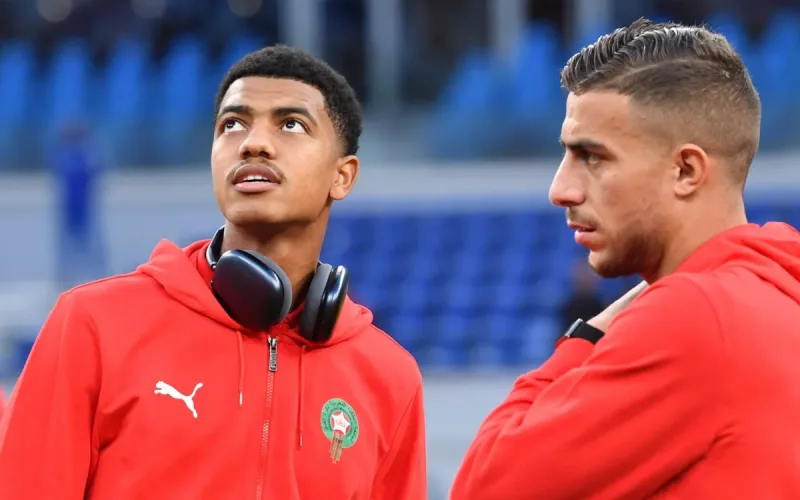
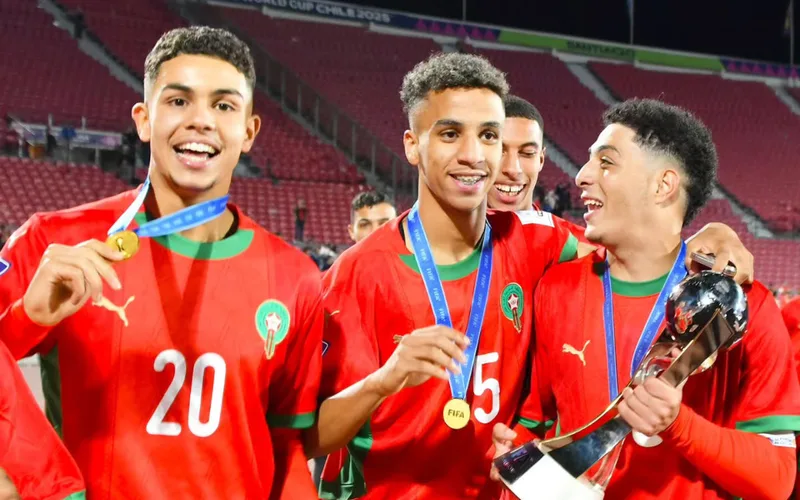
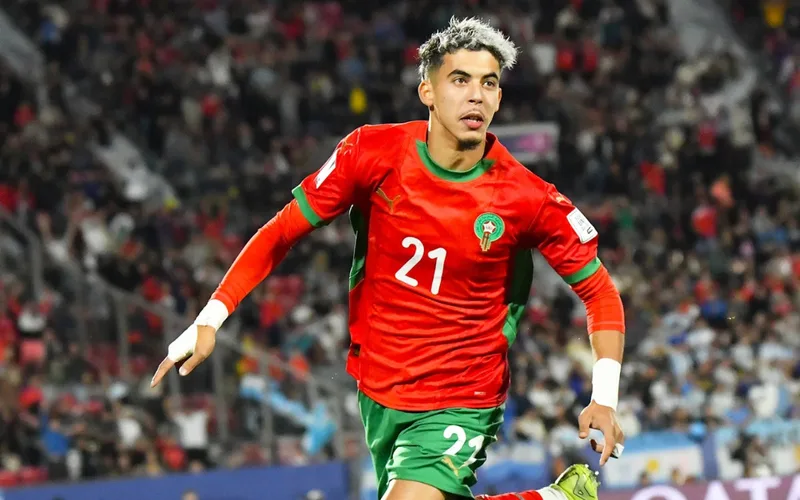
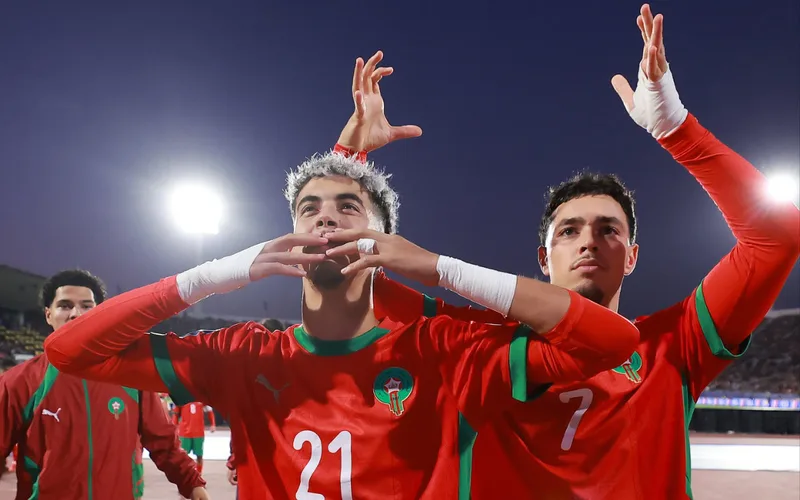
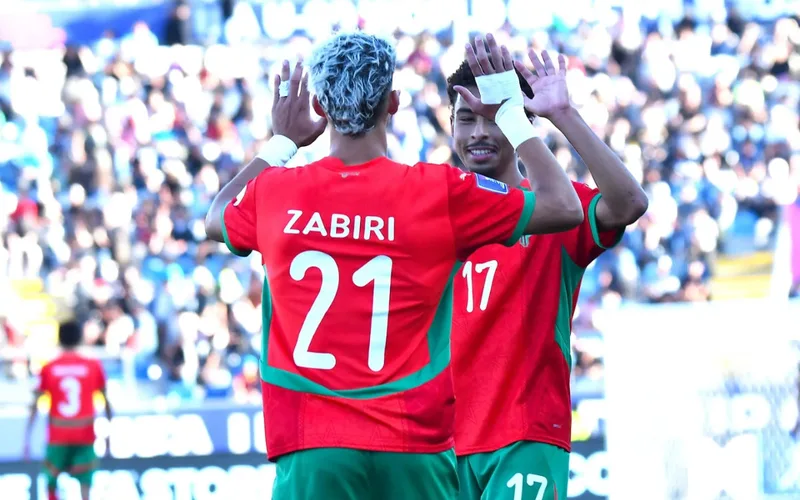
At the same time, fundamental work has been done to detect and retain dual-national talents playing in Europe. "We have done a lot of persuasion work on our best young people in Europe by detecting and selecting them at a very young age," explains Nasser Larguet. The current U20 team, finalist of the World Cup, is an illustration of this successful balance between locally trained players and dual-nationals.
These successes are part of an impressive overall dynamic: semi-final at the 2022 World Cup, world record of 16 consecutive wins for the A team, bronze medal at the 2024 Olympic Games. Morocco is emerging as a rising power in world football, capable of competing with the best nations.
Buoyed by these results and its modernized infrastructure, the country is now preparing to host two major events: the Africa Cup of Nations in a few months, then the 2030 World Cup, co-organized with Spain and Portugal. For many observers, like former coach Hervé Renard, Morocco is now one of the favorites for the CAN and is capable of "doing even better than in 2022" at the next World Cup.
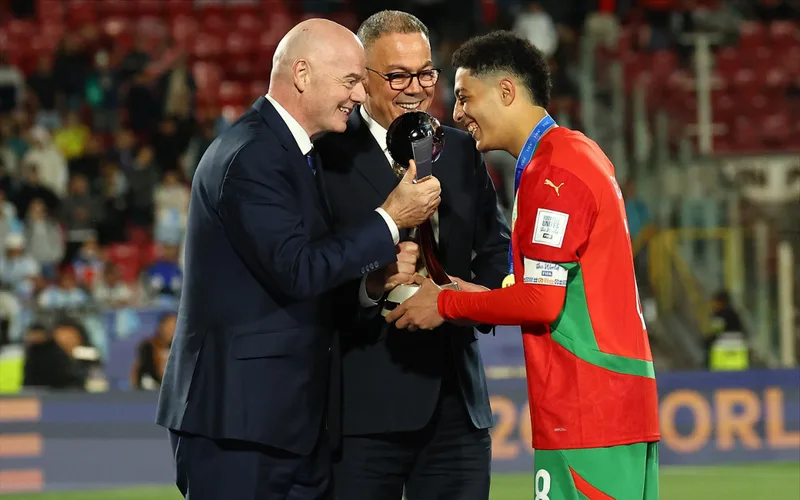
Before these deadlines, the Moroccan people will thrill tonight for the U20 World Cup final against Argentina. A popular enthusiasm that testifies, according to Nasser Larguet, to the "return of the Moroccan’s love for his national team". The pride of identifying with a selection that has "character and personality" is palpable throughout the country.