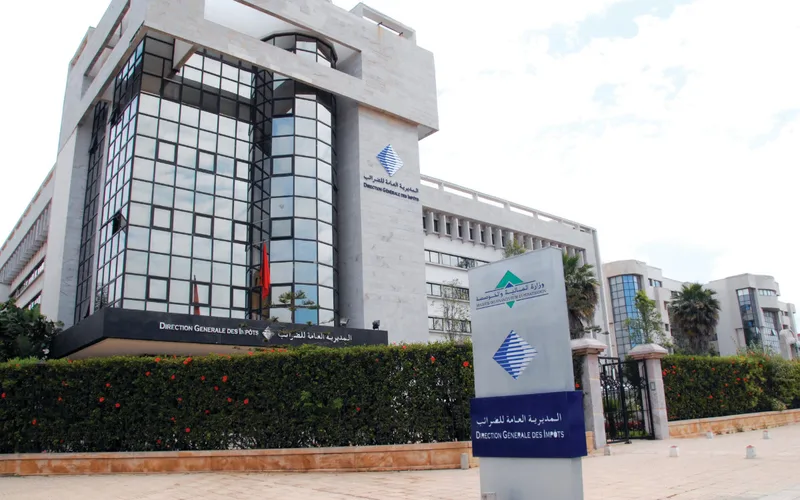
AI-Powered Tax Dragnet: Morocco's DGI Unleashes Smart Algorithms to Catch Evaders
The central control services of the Directorate General of Taxes (DGI) have implemented a new strategy to track down tax evaders.

The central control services of the Directorate General of Taxes "have activated" intelligent "algorithms" to track down tax evaders, according to sources at Hespress. Their work consists of analyzing the tax returns received from taxpayers, before sending them automatic and immediate messages inviting them to file corrective returns, as part of the rapid tax adjustment procedure provided for in Articles 221 and 221 bis of the General Tax Code.
Thus, hundreds of taxpayers, mostly companies and self-employed individuals, have received immediate reminders from tax inspectors. They had just identified contradictions in their tax returns and significant material errors in the calculation of the taxable bases, particularly those related to income tax and value added tax. These new operational features, which offer taxpayers the opportunity to regularize their situation before proceeding with the tax audit, have destabilized the accountants of companies and independent accountants, according to the same sources.
Accountants are rushing to correct the errors contained in their clients’ returns and to file complete or partial corrective returns for them within 30 days of receiving the correspondence sent by the tax administration thanks to the new interactive "algorithms". What fate for the late payers who do not file their corrective returns within this time limit? They will face problems related to the administration’s assessment of the bases for the ex officio taxation of tax and registration duties. Instructions have been given to recover them with the corresponding increases, fines and penalties, without the possibility of appeal, except under the special conditions provided for in Article 235 of the General Tax Code.
According to the same sources, the Tax Directorate services had received, during the first four months of the current year alone, more than 500 requests for access to data on anomalies identified in companies during the non-prescribed accounting years, as part of the "right to error" (Droit à l’erreur). The objective pursued by these companies is to obtain an exemption from the late payment penalties provided for in Articles 184 and 208 of the General Tax Code, which can reach 25% depending on the cases, including the financial penalties applied for late payment of taxes (5% and 0.5%). The corrective return and the voluntary payment of the tax amounts due do not exempt the companies concerned from the control or the tax audit procedure, it is specified.