Muslims in France are 19 times more at risk of being victims than others
A new report from the Defender of Rights reveals the extent of religious discrimination in France. While stigmatization is increasing, people of Muslim faith now have 19 times more risk of being victims than the rest of the population, even after neutralizing socio-economic factors.
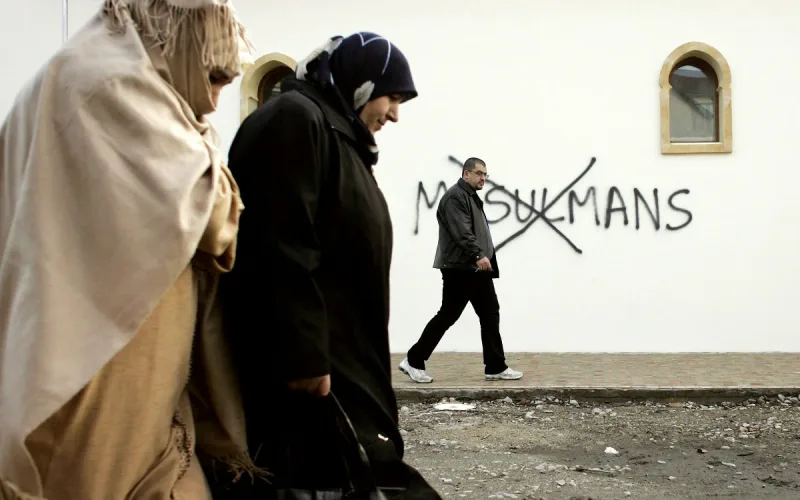
The study, conducted with more than 5,000 people, confirms an increase in reports of religious discrimination, which have risen from 21% in 2016 to 31% in 2024. This situation massively affects the Muslim community: 34% of them report being victims, compared to only 4% of Christians. The visibility of religious affiliation appears to be a determining factor, with discrimination targeting not the intimate belief, but its manifestation in the social space.
An increased risk for women wearing the veil
The phenomenon of stigmatization is worsening for Muslim women wearing the veil. They more often express having been the subject of discrimination (38%) than men of the same faith (31%), with a concentration of complaints in the field of employment. The authority explains that this religious visibility increases the probability of being targeted, reinforcing or activating other existing discriminatory biases.
This overrepresentation of the Muslim component is attributed to a "security shift" in the management of Islam since the 2015 attacks, creating a "logic of suspicion". Women are thus perceived as "potential guilty parties" or accused of playing the game of "separatism", which contributes to designating them as "enemies from within" according to the work of researchers cited in the report.
Better understanding secularism against discrimination
Faced with these findings, the Defender of Rights calls for an "institutional awareness" in the face of discrimination that is too often trivialized. It is considered essential to reform education: ambitious awareness-raising measures are required from the elementary level to better understand secularism, the misinterpretation of which is a frequent cause of discrimination. The institution insists that the fight against these inequalities is vital for the preservation of the social cohesion of the Republic.