Morocco Secures World Cup 2026 Role, Eyes 2030 Hosting Glory
The American administration has integrated Morocco into the task force responsible for securing the 2026 World Cup. A decision that strengthens diplomatic ties between Washington and Rabat while serving Morocco’s ambitions for the 2030 edition.
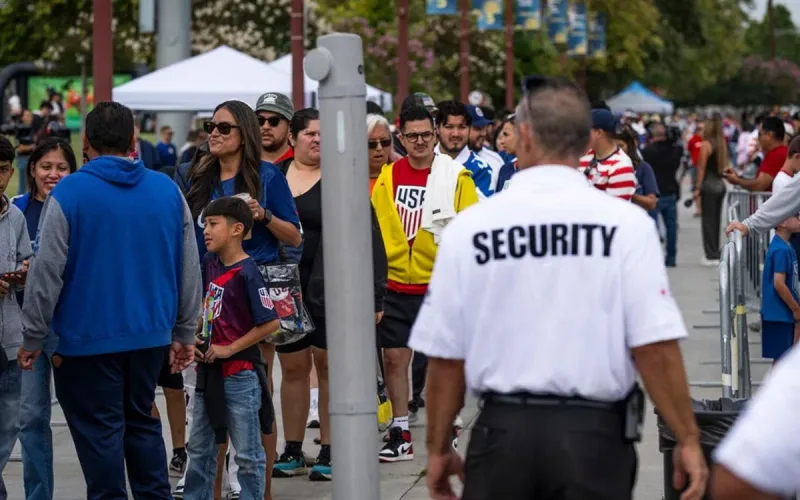
The "White House Task Force on the FIFA World Cup 2026" has sought Moroccan expertise to coordinate the protection of this global event. Washington’s choice is based on the security effectiveness demonstrated during the last Africa Cup of Nations. This collaboration delights Ambassador Youssef Amrani, who sees in it "a window onto the vitality, depth and determination of a lasting friendship."
On Bladi.net : Global Football: Morocco Becomes the Center of the World, Europe Sidelined
This sports diplomacy consolidates a military and economic alliance assumed since the Abraham Accords of 2020, under the presidency of Donald Trump. The agreement takes place in a sensitive geopolitical context that the media Infobae illustrates by recalling that FIFA, through the voice of Gianni Infantino, maintains Iran’s participation in the tournament despite its differences with the United States.
Beyond this American deadline, this mission constitutes a strong argument for Rabat’s aspirations concerning the 2030 World Cup, co-hosted with Spain and Portugal. The government is pushing to host the final in the future Grand Stade Hassan II in Casablanca. Designed to accommodate 115,000 spectators with suspended gardens under an aluminum mesh canopy, this monumental project will exceed the capacities of legendary venues such as the Santiago Bernabéu or Camp Nou.
On Bladi.net : Spain trembles in the face of Morocco’s alleged influence at FIFA
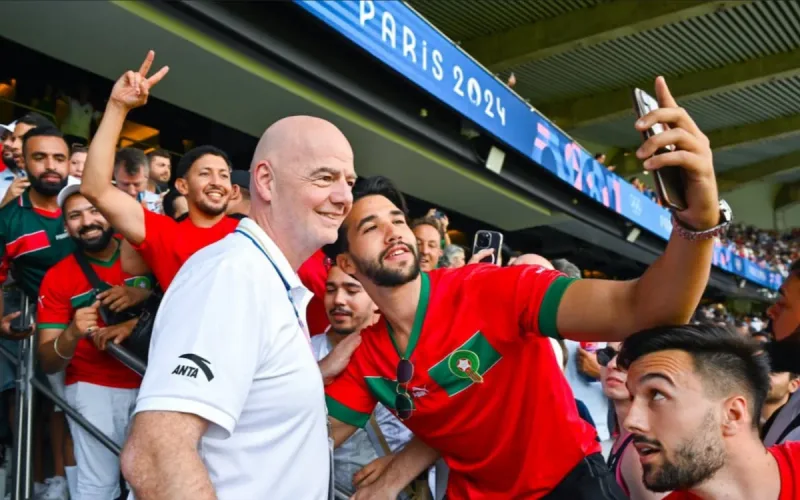
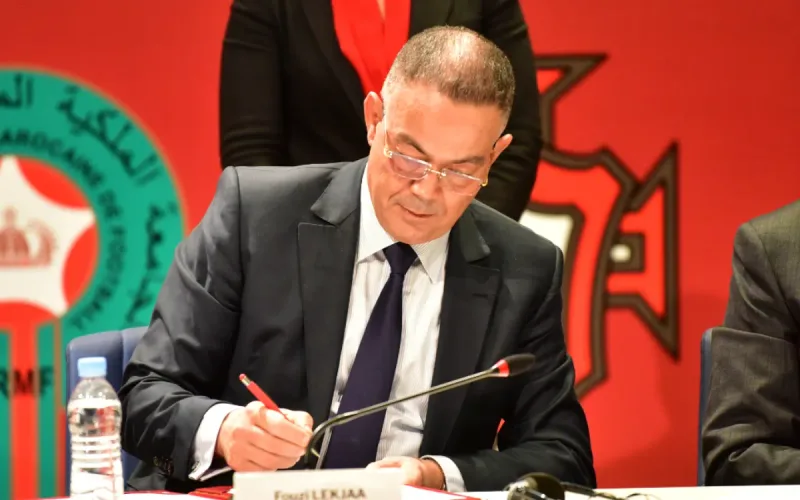
World football’s governing body is moreover multiplying favorable signals toward Morocco, described as an "exceptional host" by its president. The latter recently thanked King Mohammed VI and the federation leader Fouzi Lekjaa following the 2025 Africa Cup of Nations, a tournament won on administrative decision months later, after Senegal left the field to contest a penalty. Bilateral ties are also materialized through the opening of a new FIFA office in Rabat and the deployment of the Forward investment program.