Morocco: in the Rif, the end of fear for former cannabis convicts
Thousands of Rif farmers are leaving the underground thanks to the regulated cultivation of marijuana. While this shift to the formal economy offers unprecedented security, the nascent sector must still coexist with a powerful black market and overcome logistical challenges.
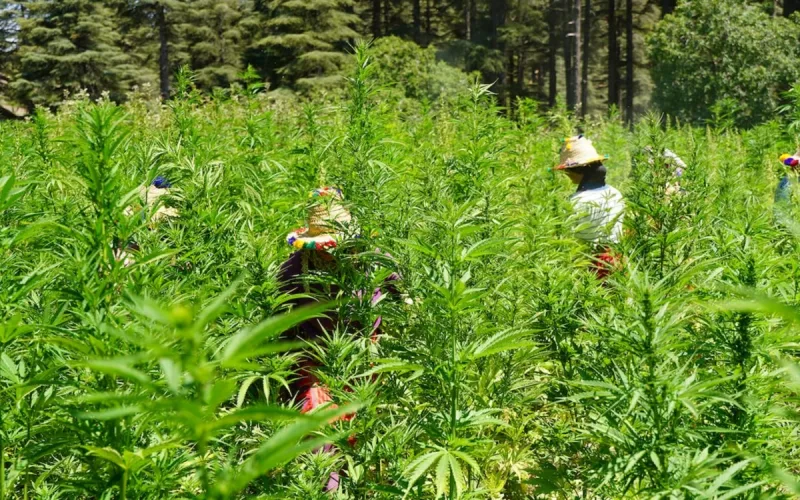
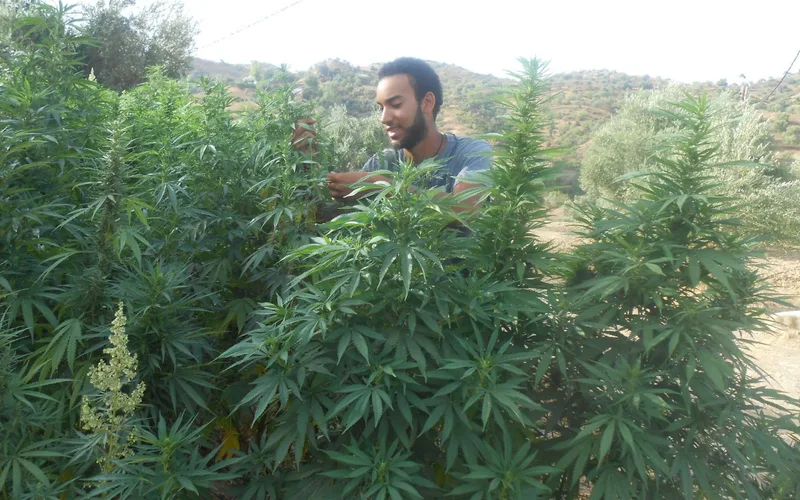
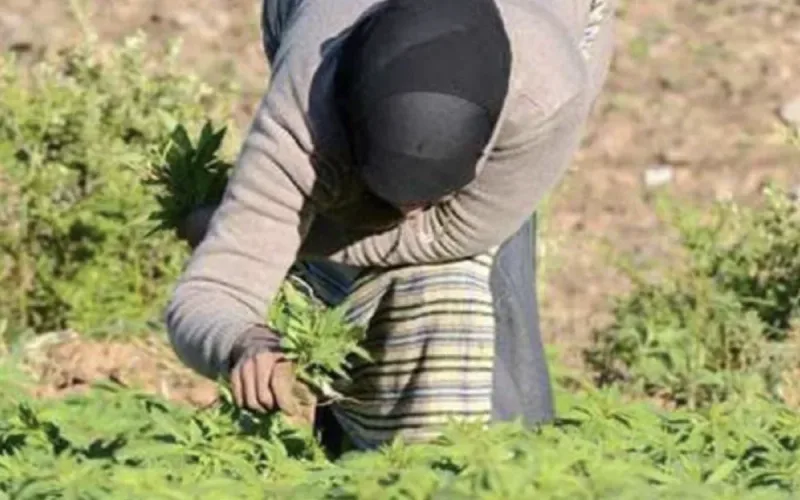
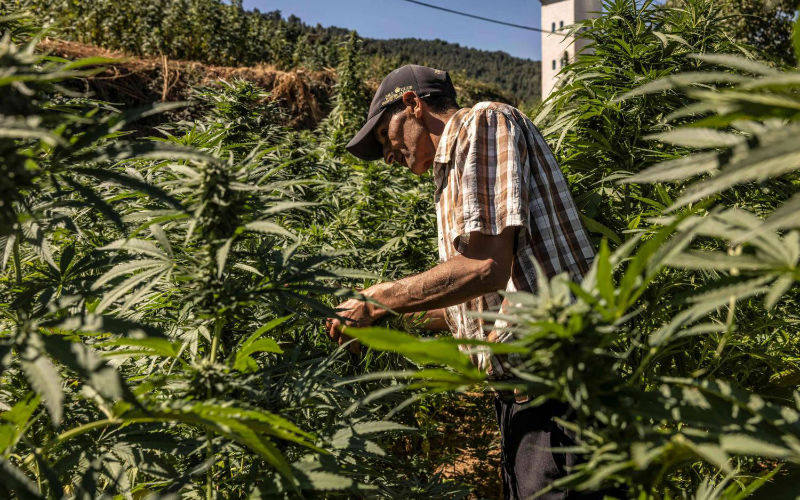
For Mohamed Makhlouf, interviewed by Associated Press, the sound of an engine on the neighboring road is no longer synonymous with anxiety. After decades of fearing prison or the destruction of his crops, this 70-year-old farmer now works openly. His plants, visible from the road in the Rif mountains, are officially destined for a cooperative. This is the end of an exhausting clandestinity to join legality. "Legalization is freedom," he summarizes. "If you want your work to be clean, you work with companies."
This turnaround, legislatively initiated in 2021, aims to integrate a marginalized rural population. For many, like Abdelsalam Amraji, it is a matter of economic survival: attempts at alternative crops like wheat or nuts have never been profitable. While the legal market sometimes brings in less than trafficking, security takes precedence. "Earning money illegally brings fear. When everything is legal, none of that happens," he assures.
The state is trying to accelerate this normalization. In 2024, King Mohammed VI pardoned more than 4,800 farmers convicted to facilitate their reintegration. The Regulatory Agency (ANRAC) issued 3,371 licenses last year for a production of around 4,200 tons. The harvest now feeds a processing industry (CBD, cosmetics, industrial hemp), creating an ecosystem of jobs that goes beyond just agricultural work.
The transition remains complex, however. The legal market, which covers 5,800 hectares, still weighs little against the 27,100 hectares of illegal crops recorded. Tensions have also erupted in August in the province of Taounate, where farmers demonstrated to demand their overdue payments. As an international report notes, the two economies "coexist" for now. Yet for the beneficiaries, the change is radical: "Cannabis is legal now, just like mint," Abdelsalam Amraji is still amazed.