Morocco’s Military Modernization Raises Strategic Concerns in Spain
Spain is said to have neglected its foreign relations as Morocco strengthened its military alliances with the United States and Israel. That is one of the criticisms in a new Spanish study on the modernization of the Royal Armed Forces, whose development is causing concern among defense specialists across the Strait.
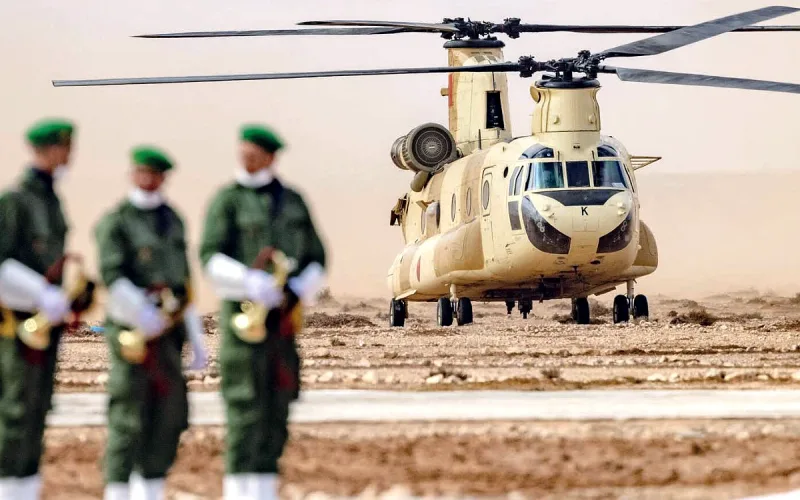
In an analysis published on November 23 by the specialist journal Ejércitos, Victoria Giner examines the transformation of the Moroccan army between 2012 and 2026. The author believes Rabat’s closer ties with Washington and Tel Aviv have facilitated the acquisition of new military equipment, while taking advantage of Spain’s neglect of its foreign relations.
On Bladi.net : Morocco’s Military Factories Draw Spanish Media Attention
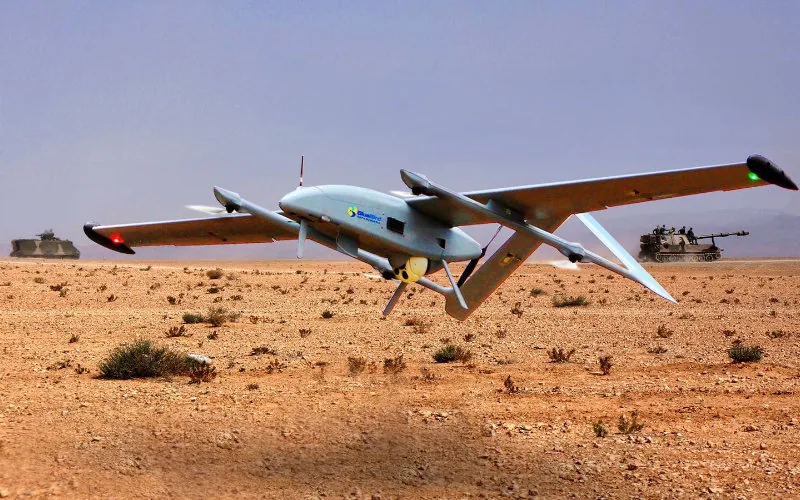
The criticism accompanies a broader observation: in just over a decade, Morocco has profoundly changed its military capabilities. Its army, long equipped with second-hand matériel, has gradually acquired Abrams tanks, armed drones and modern air-defense systems.
The study dates the start of this transformation to around 2012, with negotiations for the first major contract to acquire American M1A1 Abrams tanks, deliveries of which began in 2016. The pace then accelerated between 2017 and 2020, with the reinstatement of military service, the emergence of a national defense industry and the strengthening of international partnerships.
For Victoria Giner, Madrid must now look beyond arms purchases. Morocco is also seeking to develop its own manufacturing and maintenance capabilities, notably through the establishment of foreign companies specializing in armored vehicles and drones. Military training and the incorporation of lessons from recent conflicts also play an important role in this development.
On Bladi.net : Military modernization: Morocco changes dimension and worries Madrid in Ceuta
The specialist focuses in particular on the implications of this transformation for the Spanish army. Geographic proximity, forces deployed in northern Morocco and the FAR’s power-projection capabilities are among the factors examined. The study considers that these developments must be incorporated into assessments of the strategic balance around the Strait of Gibraltar.
Another difficulty noted by the author is the lack of transparency about the organization and actual capabilities of the Moroccan army. Unlike Spain, Morocco has not had a full-fledged Ministry of Defense since 1972. Operational command rests with the general staff, under the authority of the king. To piece together the FAR’s personnel numbers, deployments and equipment, Spanish analysts must therefore cross-reference specialist publications, open-source intelligence and data from the International Institute for Strategic Studies (IISS).