Moroccan Man Stripped of French Citizenship for Concealing His Marriage
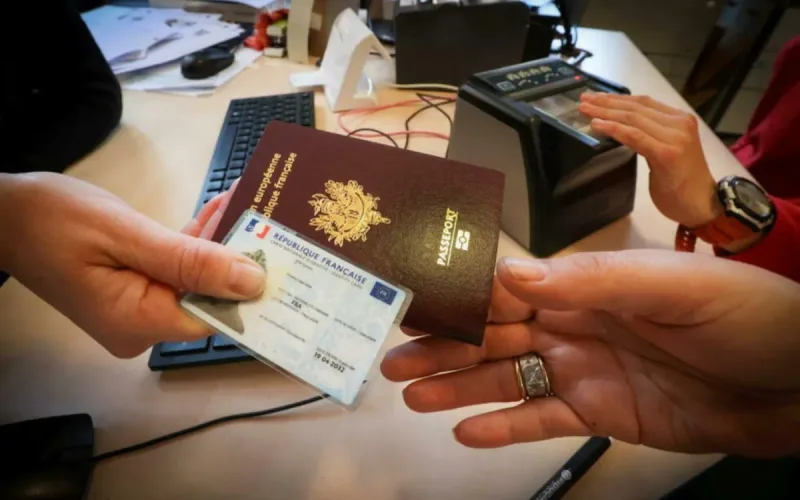
Naturalized as a French citizen in November 2022, a Moroccan man lost his nationality two years later for concealing his marriage, which took place in Sefrou. The Council of State upheld the decision in a ruling on May 26, 2026, finding that he should have informed the authorities of his change in marital status before being naturalized.

On September 5, 2022, a Moroccan national married a fellow Moroccan who normally resided abroad in Sefrou. Two months later, on November 15, he officially became a French citizen. But his naturalization application, filed in January that year with the Val-d’Oise prefecture, still listed him as single. This marriage would ultimately cost him his French citizenship.
On Bladi.net : French Nationality Morocco Marriage Registration Requirements
The authorities discovered the situation in January 2023. The Moroccan man said he had notified the prefecture by email on January 3, several weeks after his naturalization. The Interior Ministry was informed the following day. Proceedings were then launched to revoke the decree granting him French citizenship.
On December 26, 2024, the government ordered the revocation. The man appealed to the Council of State, challenging in particular the time taken to make the decision. The judges noted that Article 27-2 of the Civil Code allows citizenship obtained through a lie or fraud to be revoked within two years of the facts being discovered. That deadline had been met.
The marriage was central to their reasoning. To obtain French citizenship, an applicant must have established the center of their interests in France on a lasting basis. Family circumstances are part of that assessment, particularly when a spouse lives abroad.
On Bladi.net : Swiss Court Revokes Moroccan Man’s Citizenship Despite 25-Month Reconciliation
In its ruling of May 26, 2026, the Council of State found that the Moroccan man had deliberately concealed his marriage. He had signed a declaration on his honor and had a sufficient command of French to understand his obligations. The judges also rejected his arguments concerning respect for his private and family life.
The revocation of his citizenship was therefore upheld. The judges specified that this measure does not, by itself, result in his removal from French territory. However, the family consequences may be significant: in another case involving a Moroccan couple, the husband’s loss of citizenship affected the renewal of his wife’s residence permit.