Moroccan children losing Arabic in France: language transmission crisis
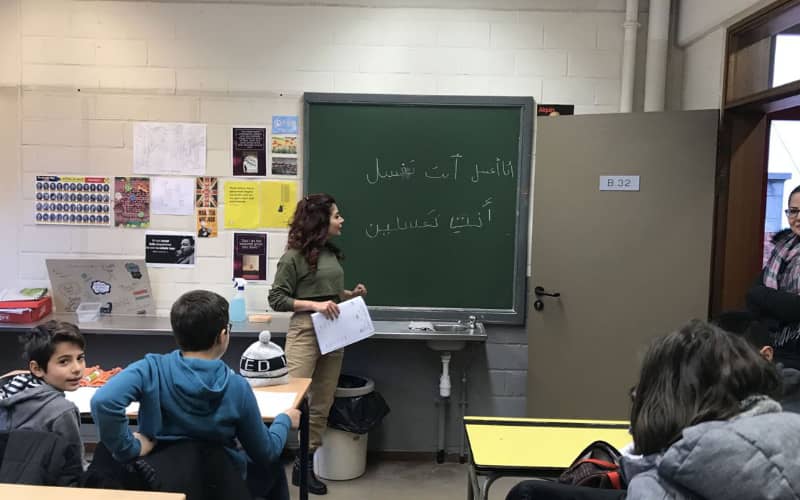
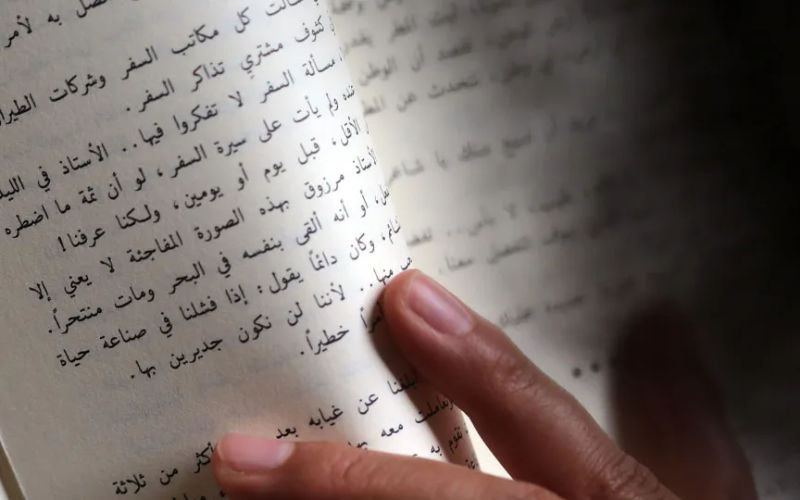
In France, transmitting the country’s language to children is anything but automatic. In certain Moroccan families, Arabic is declining in the face of French, the language of school and the outside world. Between social pressure, family isolation, and language hierarchy, some parents end up giving up.
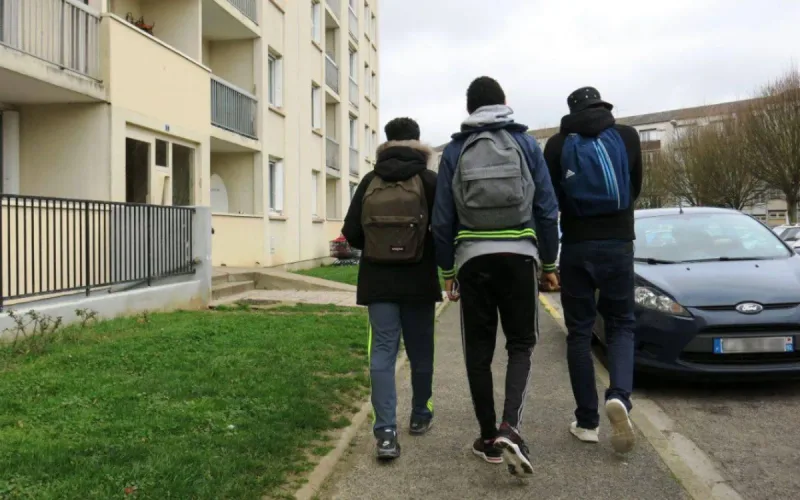
Speaking Arabic to your child in France can become an intimate struggle. In an article devoted to the transmission of family languages, Le Monde tells the stories of immigrant parents or descendants of immigrants who cannot always pass on their native language to their children.
On Bladi.net : Study: Colloquial North African Arabic Emerges as France’s Second Most Spoken Language
The case of Hicham, born in Morocco and settled in Marseille, illustrates this dilemma. Married to Laura, an Italian woman, he tried to speak Arabic to their daughter Anya during her early years. Then, gradually, he stopped, without really realizing it.
He explains having encountered insistent stares when he spoke Arabic to his daughter in the street. A discomfort he did not feel in the same way with other languages. In his view, this reflects the prejudices that still surround Arabic in France.
There was also linguistic isolation. Hicham was the only Arabic speaker in the family and did not have a sufficiently present circle to help him maintain this transmission on a daily basis. At home, Italian eventually became the family language.
Arabic less valued than other languages
The phenomenon goes beyond the Moroccan case alone. According to an INSEE study cited by Le Monde, 59% of descendants of immigrants declare having a foreign language as their reference family language. But in adulthood, only 16% read, write, speak, and understand it very well.
Linguist Anna Stevanato reminds us that not all languages are perceived in the same way. English, German, Spanish, and Italian are often valued. Arabic, on the other hand, provokes more tension in France. According to her, this language is transmitted seven times less than English.
For Moroccan families, the question can be even more complex. Hicham also regrets that his own parents did not pass on Amazigh to him. The loss therefore concerns not only children born or raised in France, but sometimes several generations.
Transmission remains possible. Hicham does not consider everything lost. His wife is now learning Arabic to help fill this gap and restore a place for this language in the family.
On Bladi.net : article 121218
In many Moroccan households in France, the country’s language is thus played out in simple gestures: a song, a phrase, an expression that returns. But it requires time, an environment, and confidence that not all parents always have. For some, transmitting Arabic or Amazigh becomes much more than learning: a way of not severing ties with Morocco.