Money laundering: MREs suspected in a vast network between Morocco and France
Moroccans residing abroad are suspected of having orchestrated a money laundering network between Europe and Morocco. The case highlights accounts opened in the name of modest employees used as "fronts".

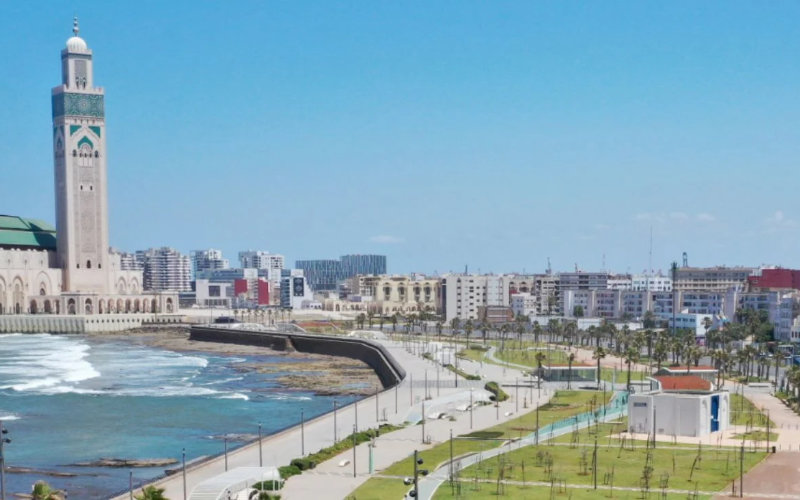
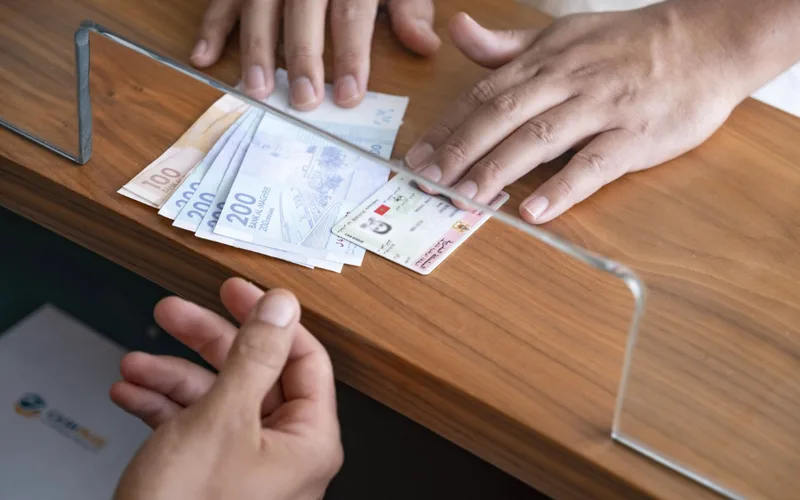
The investigations began following reports issued by bank branch managers in Casablanca and Rabat, reports Hespress. These officials were alerted by the abnormal frequency of transfers exceeding 50,000 dirhams, made to accounts whose holders had modest economic profiles, without commercial or liberal activity justifying such sums. The modus operandi consisted of feeding these accounts in cash before almost immediately transferring the funds to unknown beneficiaries.
Thanks to cooperation with European financial intelligence services, the investigators have highlighted a sophisticated compensation mechanism. Significant sums in euros were handed over to members of the network abroad, who in return undertook to pay the equivalent in dirhams into accounts in Morocco. Among the identified ringleaders are Moroccans residing abroad, including a Moroccan-Italian businesswoman based in Switzerland and a Franco-Moroccan running a travel agency.
Alleged links to international drug trafficking
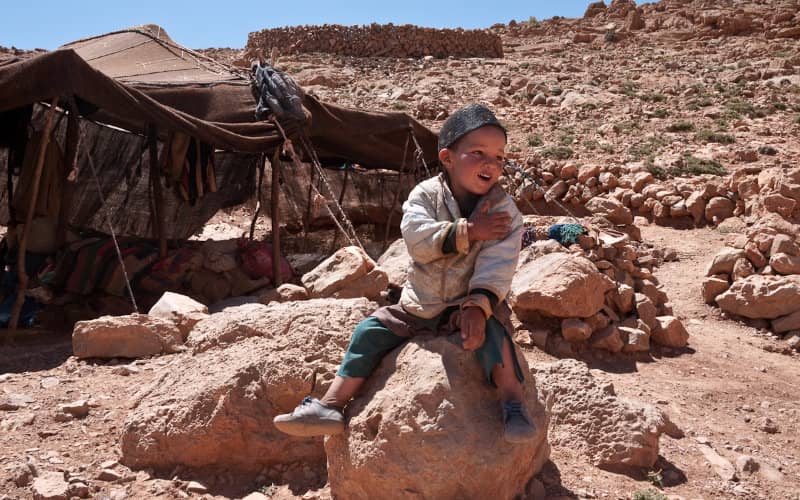
The investigation also revealed the use of "fronts" at the local level. Modest employees, sometimes illiterate or from rural areas, have had their identities used to open the accounts used for the transactions, without being aware of the nature of the operations. At this stage, the volume of irregular transfers identified is close to 13 million dirhams, an amount that could be revised upwards.
Exchanges with European counterparts have made it possible to establish that these funds could come from the criminal economy. Several names that have appeared in the file are already known to European services or linked to international drug trafficking cases. This case confirms the central role of the banking sector in financial vigilance, with banks being the source of nearly 45% of the reports received by the ANRF.