Morocco: a scandal erupts over the rental of luxury cars
In Morocco, a large-scale audit on contracts worth more than 75 million dirhams reveals irregularities in the rental of high-end vehicles within about thirty municipalities spread across three major regions of the kingdom.
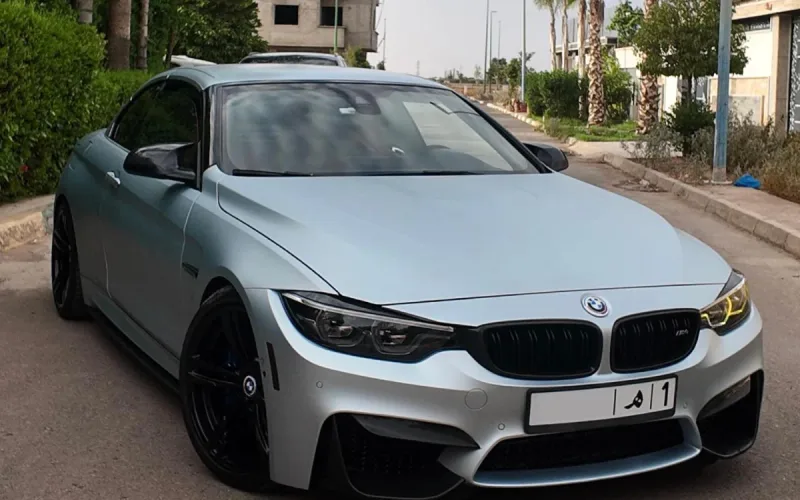
The services of the Directorate of Local Government Finance have been conducting an investigation for several weeks on the high-end vehicle rental contracts in the municipalities. Municipalities under the regions of Casablanca-Settat, Rabat-Salé-Kénitra and Fès-Meknès are particularly targeted, according to sources at Hespress, specifying that the audit covers contracts with a total value exceeding 75 million dirhams, covering four fiscal years. The investigation follows internal reports pointing to recurring irregularities, notably the awarding of contracts to companies related, directly or indirectly, to local elected officials with decision-making power.
The investigators have uncovered a well-established system. Rental companies would have been created in the names of relatives of council presidents or influential elected officials, allowing them to easily win municipal contracts. These companies would now dominate this segment, securing contracts whose amounts sometimes exceed the budgetary capacities of the municipalities concerned, whose own resources are already limited. Increasingly, rental is perceived by municipalities as a way to reduce investment commitments while transferring maintenance, insurance and maintenance costs to the service provider.
The investigators also identified tailor-made specifications, effectively eliminating any real competition. They also spotted artificially divided contracts over several fiscal years to avoid formal procedures and promote direct negotiation. Furthermore, it was found that agents had used vehicles outside of service hours, made private trips with the said vehicles during leave, or made undeclared journeys. To verify this information, the investigators cross-referenced the mission orders with the data from the Jawaz electronic toll system, installed on part of the fleet, and whose costs are increasing significantly in municipal budgets.
In its 2023-2024 annual report, the Court of Auditors had already warned about the lack of a clear institutional framework governing the allocation, typology and operating methods of municipal vehicles, recalling that local authorities now have a fleet of 48,485 vehicles, up 46% since 2016, without any coherent optimization strategy being implemented. The audit should extend to the first quarter of 2026 to other territories. The final conclusions could lead to disciplinary measures against the officials involved. If infringement elements are established, the file could be forwarded to other control bodies for prosecution.