For Many Moroccan Women, the Barrier to Work Is Getting There
Morocco has incorporated equality between women and men into its budget rules. The World Bank says the next step is to better measure the results: do public spending and services make it easier for Moroccan women to travel, access services and find work?
In an analysis published on 2 October, the World Bank recognizes the kingdom’s progress as a regional pioneer in gender-responsive budgeting. It stresses the need to track the tangible effects of these policies, particularly at the local level.
On Bladi.net : Why Do So Few Moroccan Women Work?
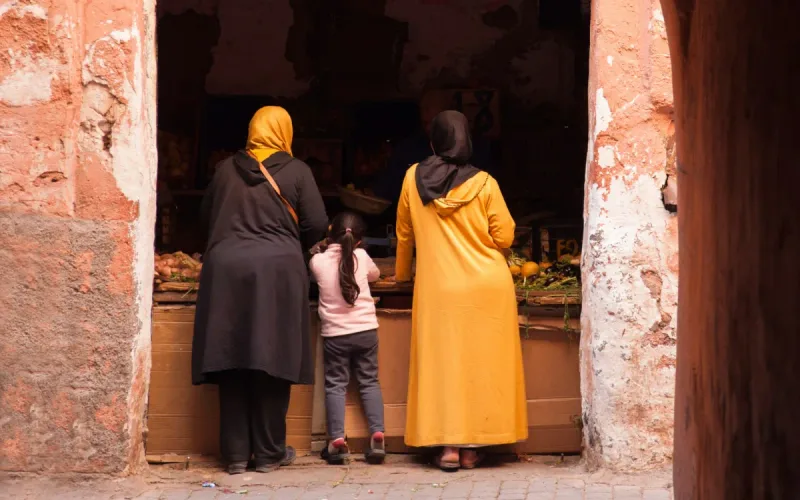
Transport illustrates the importance of this approach. An analysis conducted in 2025 by the Ministry of Transport and Logistics found inadequate rural service, irregular routes and problems related to safety and harassment. These are all barriers to accessing work in a country where fewer than one in five women participates in the labor market.
These difficulties had already been documented in 2022. In a study of commutes in Morocco, the World Bank described multiple transfers, costs and schedules that were difficult to reconcile with childcare.
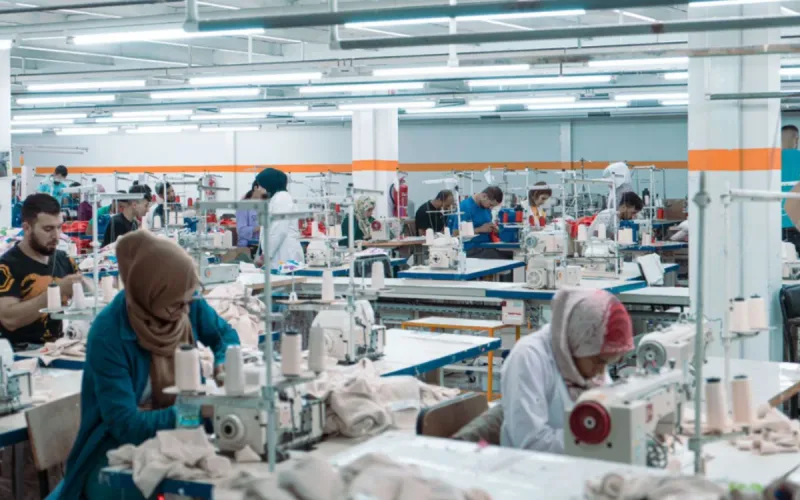
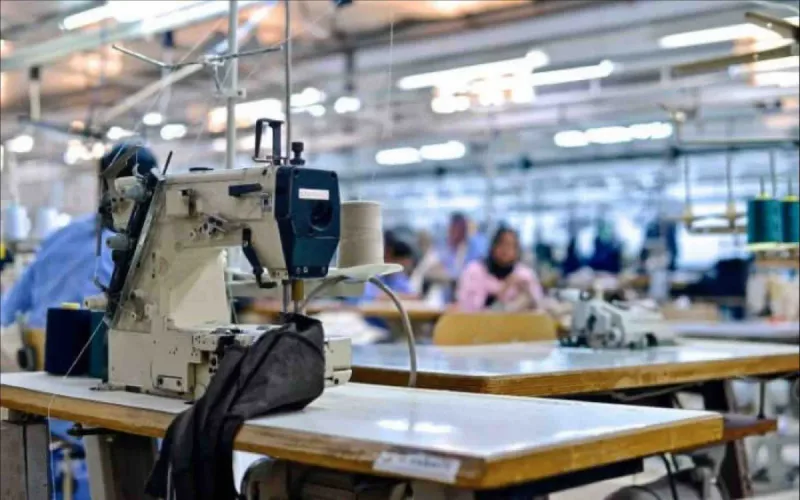
Businesses also felt the consequences. Manufacturers in Tanger and Casablanca reported employees worn out by their commutes and difficult to retain. Some companies arranged transport for their staff themselves to make up for shortcomings in the public network.
Measuring the results of public spending
The budget framework is intended to ensure these needs are taken into account in funding decisions. A tool tested in 2024-2025 helps classify spending according to its contribution to equality. The ENNAJAA program supports this approach in ministry planning, while more than 800 civil servants have received training.
Access to work also depends on childcare services. In April, the World Bank approved funding of 500 million dollars to support employment and green growth in Morocco.
On Bladi.net : Morocco Growth Strategy: World Bank 10-Year Partnership Plan
The operation’s goals include adding more than 40 000 places in licensed childcare facilities and creating 1 200 direct jobs for women in the sector. These services are intended to enable more mothers to work or look for a job.