
Gibraltar Ship Tax: Morocco’s Bold Plan for Underwater Tunnel Funding
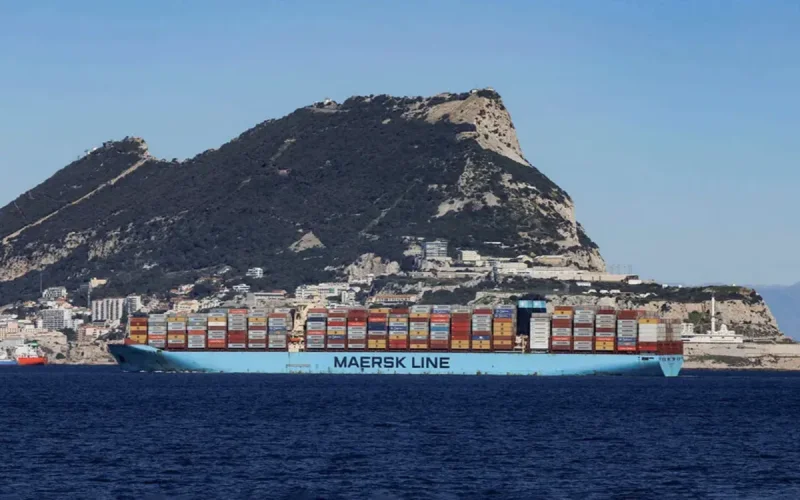
A Moroccan expert suggests imposing a tax on ships crossing the Strait of Gibraltar. This environmental approach aims to make polluters pay while funding the underwater tunnel project between Europe and Africa.
Hamid Bouchikhi, sitting on the Higher Council of Education, submits to diplomacy an idea he himself deems potentially "far-fetched": charging boats navigating between Spanish and Moroccan coasts. To justify this monetization, the former member of the Commission on the Development Model relies on the Strait of Hormuz. If the international community allows Iran to collect passage fees there, it creates a legal precedent that can be transposed to Gibraltar. The western gateway to the Mediterranean indeed records 100,000 annual transits, a traffic three times higher than that of Hormuz.
On Bladi.net : Morocco-Spain Tunnel Project Gains Momentum Ahead of 2030 World Cup
Officially, maritime law prohibits obstructing free international navigation. However, the billing would target ecological impact by strictly applying the "polluter pays" principle. According to information relayed by La Razon, the narrow fourteen-kilometer maritime strip concentrates massive pollution suffered without any compensation by the two coastal countries. Facing carbon dioxide emissions, fine particles and noise disturbing cetaceans, entry fees would be calculated according to each ship’s actual emissions. Thus, a huge heavy fuel oil tanker would pay a significantly higher bill than a vessel operating on clean gas.
On Bladi.net : Why there is no bridge between Spain and Morocco (and why the tunnel is so complicated)
More than a simple standard fee, this mechanism positions itself as a genuine environmental policy lever, similar to carbon pricing adopted by the International Maritime Organization. The ultimate ambition of this taxation is to collect the necessary funds to realize the construction of the underwater tunnel connecting the two continents. In the long term, this underground physical link would offer a sustainable transport alternative, capable of drastically reducing current crossing costs.
Related Articles
-

A Fez riad earns a Michelin Key and joins the world’s best hotels
18 September 2026
-

MRE: this mistake when buying in Morocco can block the repatriation of your money
18 September 2026
-

One ship every five minutes between Morocco and Spain: Rabat seeks new rules for straits
18 September 2026
-

8.2 million dirhams for new vehicles tasked with monitoring Moroccan airport runways
18 September 2026
-

2030 World Cup: Fitch warns Morocco that cost overruns could increase its debt
18 September 2026