French Dual Nationals Relocate to Morocco Seeking Dignity and Belonging
Facing racism and invisible barriers encountered in France, an increasing number of dual nationals are choosing to settle in Morocco. This quest for dignity and security sometimes clashes with the complex reality of reintegration on the land of their ancestors.
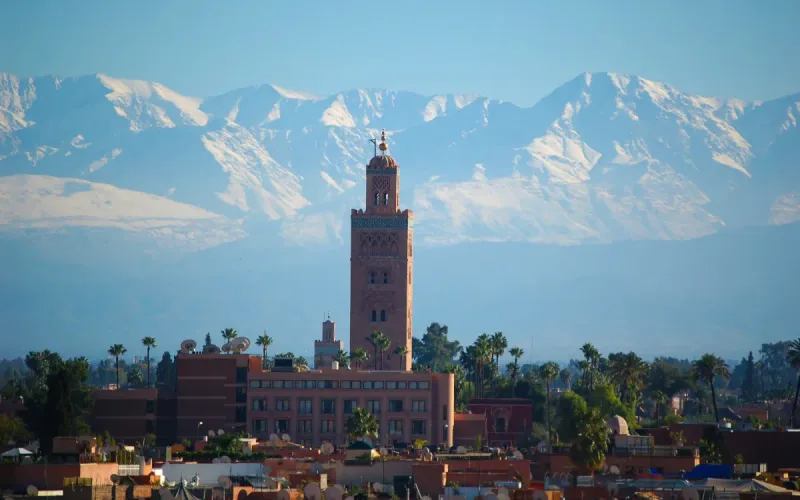
In Marrakech, Inès savors a glass of mint tea in the highly sought-after Victor-Hugo neighborhood. Originally from Tours, this 28-year-old woman wearing a hijab enjoys the politeness of local servers. A welcome she has rarely experienced in France, where she was often relegated "to the back of the room" in certain establishments, according to the daily newspaper Le Monde. Suffocated by professional discrimination and racist recruitment criteria endured during her studies, Inès packed her bags in the summer of 2025 with her family. Rejecting the label of expatriate, she joins the ranks of "repats," French citizens of immigrant descent attempting to build a new life on family lands.
On Bladi.net : Moroccan Children in France Achieve Higher Education Success
Abdel, a 49-year-old entrepreneur with a degree from a prestigious Parisian business school, shares this frustration. He settled in Morocco over a year ago to protect his children. The multiple identity checks endured by his teenage son in Paris were the trigger. According to him, dual nationals are often perceived, at best, as the "nice little Arab," at worst, as delinquents. His disenchantment turned to disgust in December 2024, upon reading articles attributing degrading terms toward Maghrebis to the head of state.
On Bladi.net : Dubai, the new Eldorado for young French Muslims?
Despite the material comfort and peace of mind regained, settling in Morocco requires adjustments. Inès, a human resources expert, struggles to practice her profession as her skills are based on French labor law. Added to this is the cultural shock for relatives who remained in France. These latter, who saw France as an eldorado for their descendants, struggle to understand this counter-current journey. A painful sense of in-betweenness then sets in: these repats confess to not feeling fully accepted either in France or in Morocco.