France: the cost of procedures for foreigners will explode in 2026
The French government plans to increase the cost of several administrative procedures for foreigners. The draft budget bill for 2026, currently under debate in Parliament, includes these increases that will affect residence permits, naturalization and even driver’s licenses.

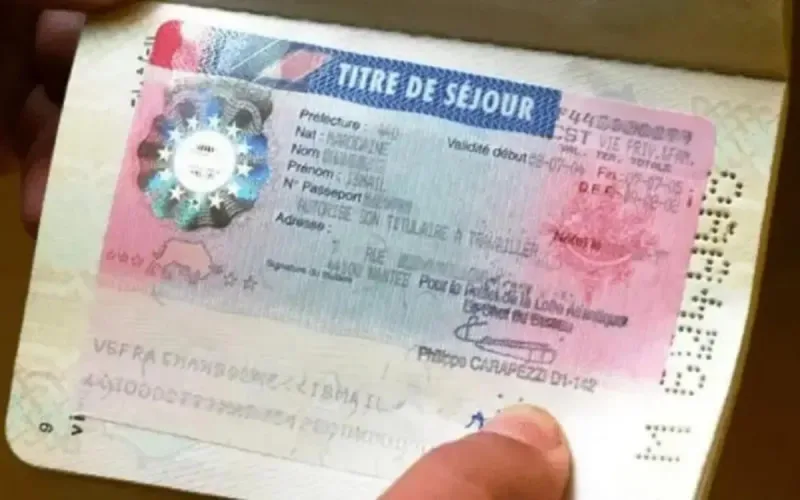
The text, whose debates are to be completed by the end of November, proposes several increases. Article 30 of the draft bill provides for a 200-euro increase in the stamp duty for a nationality application. Taxes for the issuance or renewal of residence permits would increase by 100 euros (normal rate) or 50 euros (reduced rate). New taxes are also proposed, such as 40 euros for the exchange of a foreign driver’s license and 100 euros for a temporary residence permit.
The government justifies these increases by a need to "align the amounts of stamp duties collected in France with the median amounts observed in the countries of the European Union". The objective is to generate an "additional yield of 160 million euros".
Housing assistance for foreign students also reformed
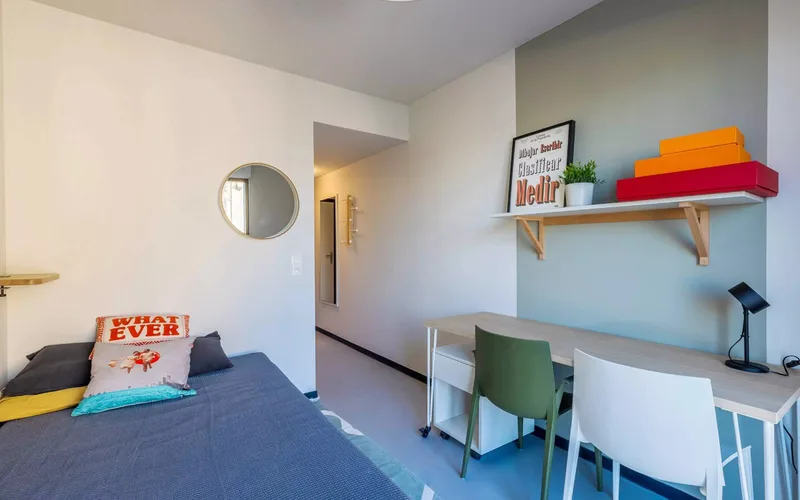
Administrative fees are not the only change. Article 67 of the draft budget bill is tackling personal housing assistance (APL) for international students. The government wants to restrict this scheme, hitherto widely accessible, to only non-EU students receiving means-tested scholarships.
The stated objective of this reform is to "better target" public spending by reserving it for financially vulnerable profiles and those who are planning a long-term stay in France.
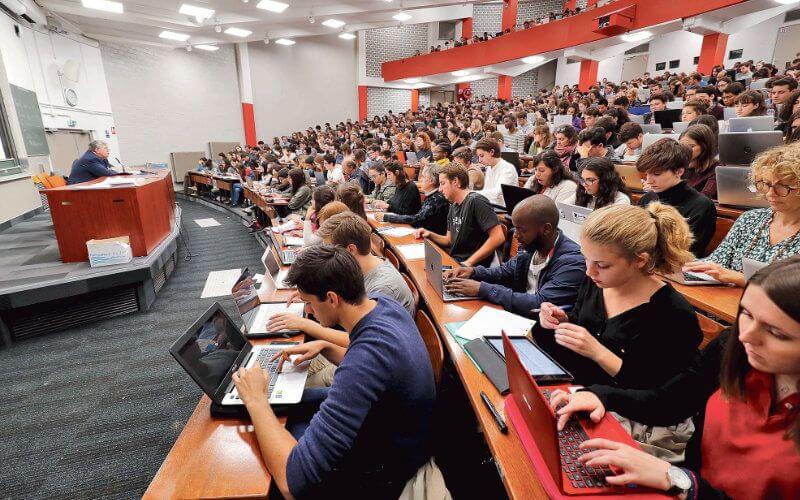
These measures will directly affect the Moroccan community, which is the largest contingent of foreign students in France with more than 42,000 enrolled. This population, often at the forefront of scientific and engineering fields, is particularly concerned by the costs of student residence permits and access to APL.
The 2026 budget bill is currently in its first reading in the National Assembly and must be definitively voted by Parliament before December 23, 2025.