Four of Brussels’ 12 major drug figures are operating from Morocco, police say
Belgian judicial police have identified 12 major figures in drug trafficking in Brussels, four of whom are said to continue operating from Morocco. The revelation comes as the Belgian capital has recorded 77 shootings and 64 explosions since the start of the year.
Four of the suspected leading figures in Brussels’ drug trade are continuing their activities from Morocco, Eric Jacobs, director of the Brussels Federal Judicial Police, revealed on Tuesday, November 10, during a hearing before the Belgian Parliament’s Interior Committee, the Brussels-based outlet BRUZZ reports.
Investigators have identified 12 key figures in the criminal networks. In addition to the four operating from Morocco, another four are said to continue directing activities from prison. Two remain in Belgium, while the other two are on the run. This remote organization complicates investigations and efforts to combat reprisals.
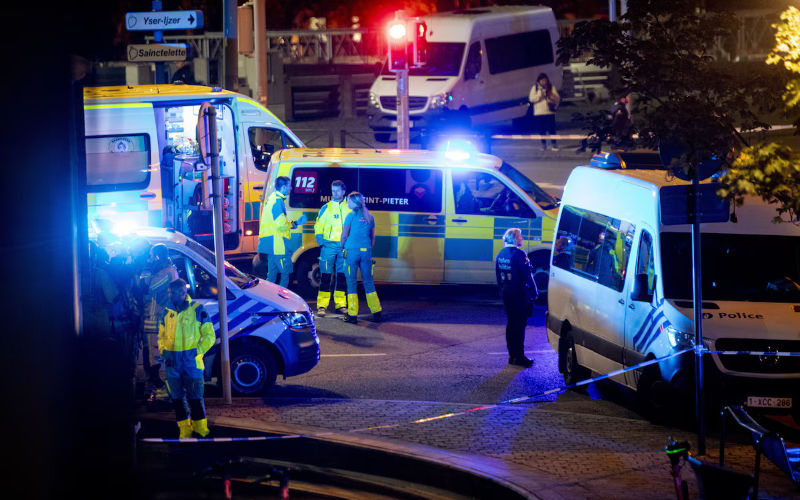
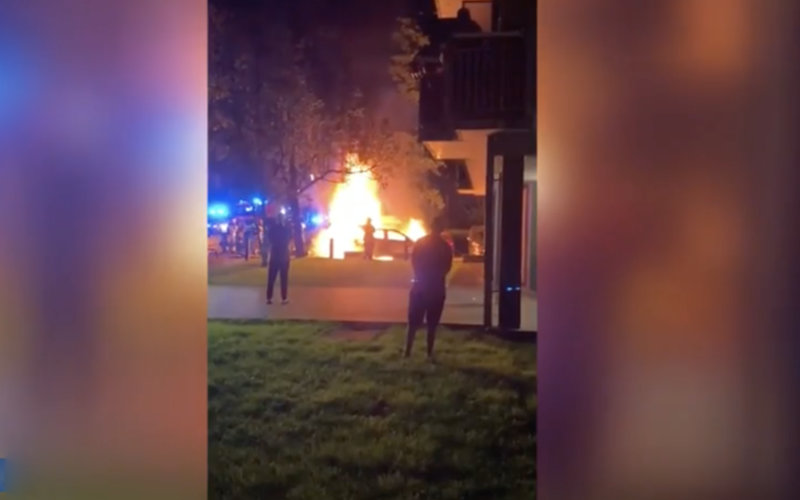
Violence in the capital has reached worrying levels. Since January, 77 shootings have left four people dead and 29 injured, compared with 101 shootings recorded over all of 2025. Explosions are also becoming more frequent: there have been 64 since the start of 2026, compared with 42 in 2025 and just 20 in 2024. Grenades, homemade explosives and powerful firecrackers are being used to intimidate rival gangs.
Young people recruited for thousands of euros
Criminal networks rely in particular on Snapchat, Telegram and Signal to recruit operatives. According to Eric Jacobs, the amounts offered range from 1,000 to 5,000 euros, depending on the assignment. Investigators recorded 147 minors in drug-related violence cases in 2025 and 2026.
Monitoring communications poses another challenge. Between April and September, 226 mobile phones were seized at Haren prison. Police are calling for signal jammers to stop inmates from continuing their criminal activities. The case of Imad B., suspected of running a cocaine network from his cell, illustrates the difficulties investigators face.
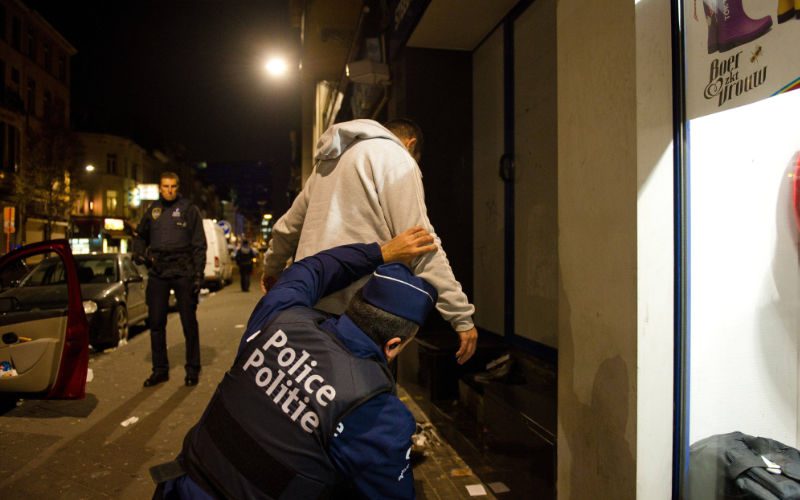
In response, Brussels’ six police zones have strengthened their coordination under a joint command. The 170 members of the special units have also been brought together. Between late August and late October, Operation Raptor led to 98 judicial arrests and 68 administrative arrests, as well as several seizures of weapons and drugs.