Former Oujda Smuggler Says Algerian Fuel Earned Him Up to 2,000 Dirhams a Night
For years, smuggling between Morocco and Algeria supported thousands of families in the Oriental region. A former fuel smuggler describes how he earned up to 2,000 dirhams a night before trenches and border fences brought his business to an end.
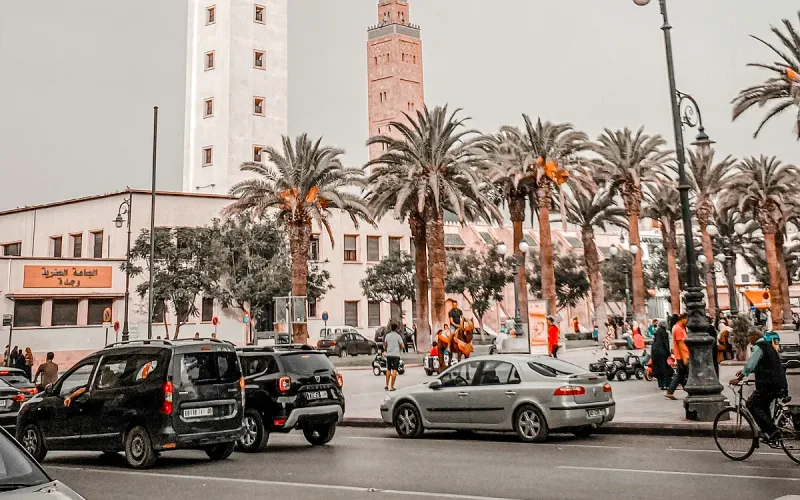
Abdellatif B. spent much of his life smuggling Algerian gasoline into Morocco. Now a grandfather, this resident of the countryside around Oujda remembers when the border was his main source of income. In a report published in November 2026, Le Monde diplomatique describes a particularly lucrative nighttime trade.
His operation relied on repeated trips between his farm and his cousin’s, located on the other side of the border. He brought his small truck as close as possible to the border line, then carried empty cans on a cart for about 400 meters. In Algeria, his cousin handed him cans filled with fuel, which he brought back to Morocco.
Each 30-liter can cost him 80 dirhams. He resold it to Moroccan traders for 90 dirhams, making a profit of ten dirhams. On some nights, three trips allowed him to bring back as many as 200 cans, or 6,000 liters of gasoline. His profit then reached 2,000 dirhams.
This trade supplied much of the Oriental region. At the time, a 30-liter can of Algerian gasoline sold for 120 dirhams on the black market, or four dirhams per liter, compared with nine dirhams at Moroccan gas stations. Along the roads connecting Oujda, Nador, Saïdia and Figuig, motorists bought much of their fuel from illegal resellers.
Border closure upended trade
Fuel was the main commodity, but the trade also involved food and medicine. Subsidized couscous and flour from Algeria came into Morocco, while Moroccan potatoes, onions, olives and mandarins went the other way. The markets in Ahfir and Bni Drar were particularly busy.
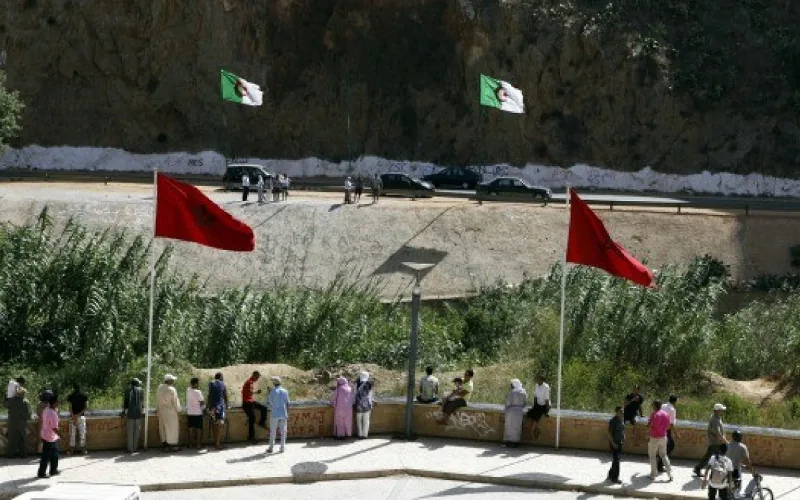
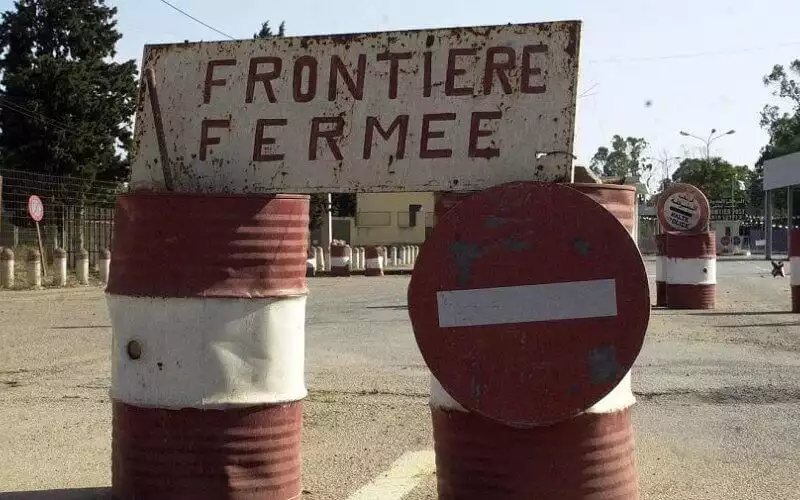
The land border officially closed in 1994. Yet clandestine crossings continued for nearly twenty years. The real turning point came from 2013, when Algeria began digging deep trenches along the border. Morocco also strengthened its security measures with metal fences and barbed wire.
By 2016, trade had become practically impossible for small-time smugglers. Abdellatif lost the livelihood that had supported him for years. In Touissit, south of Oujda, Abdelmajid, the owner of a small shop, tells journalist Pierre Daum that aid received after the closure had enabled some residents to buy a cow or a few chickens. These small-scale activities gradually disappeared.
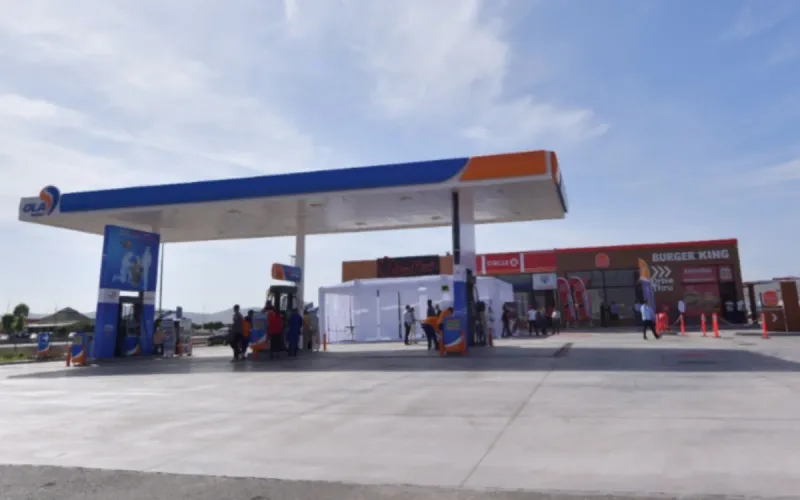
The disappearance of Algerian fuel also transformed the Oriental region’s commercial landscape. Moroccan gas stations, long undercut by smuggled gasoline, began expanding again. As early as May 2016, Oujda authorities announced that 18 new stations would soon open, bringing the planned total to 33. It was a major change in a region where fuel from Algeria had sustained a parallel economy for decades.