Dutch Police Mistake WhatsApp School Appeal for Call to Riot
In the Netherlands, a WhatsApp message shared by an imam of Moroccan origin prompted a police response. Authorities thought they were dealing with a possible call to riot. In fact, the religious leader was sharing a campaign to establish an Islamic school.
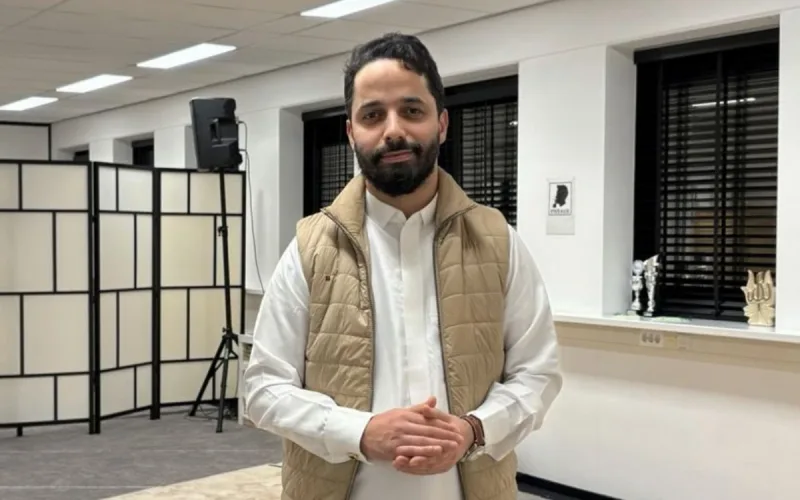
On Friday, October 30, 39-year-old Azzedine Karrat had just finished his sermon at the Essalam mosque in Rotterdam when a colleague called him. Two police officers were there and wanted to speak with him. They had received a report that the imam had called for riots on WhatsApp. Officers had already come looking for him that morning, the Dutch daily NRC reports.
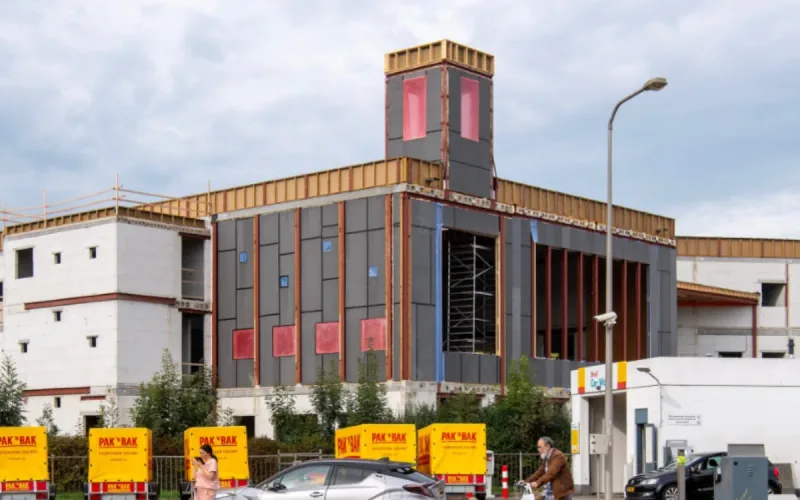
The police response was prompted by a post shared the previous day. Karrat’s acquaintances were trying to collect the parental statements of support required to open an Islamic secondary school in Capelle aan den IJssel, near Rotterdam. On October 29, they were still about thirty statements short, and had to submit them before midnight.
The school’s future director had posted a WhatsApp message urging volunteers to pray, eat, then go out “en masse” to collect the remaining support. Karrat, who backed the project although he was not involved in setting it up, had shared the post on his own WhatsApp status.
An acquaintance who saw the messages interpreted them as a call to take part in riots. The man contacted the imam the next morning to express his concern. Karrat explained the campaign’s real purpose, unaware that the man had also alerted the police.
Police show up at his home
When contacted by officers, the imam explained the context again. The police then asked him for the name of the school, as well as the names and phone numbers of its future managers, so they could verify his account. He refused to share other people’s contact details without their permission.
Later that afternoon, a police van parked outside his home in Barendrecht. Two officers looked through the blinds. Karrat opened the door and invited them in, preferring to speak inside rather than in front of his neighbors.
He eventually showed them all of the WhatsApp posts. According to his account, the officers then apologized while asking him to understand why they had intervened. The imam criticized them for believing an inaccurate report and asking him to justify behavior that did not amount to a call for public disorder.
The incident affects him all the more because local authorities themselves regard him as a trusted person. Regularly asked to ease tensions, raise awareness among young people or share prevention messages, he works with the municipality and police services.
Karrat now fears that worshippers at the mosque and his neighbors will wonder why the police intervened. He sees the incident as an example of a feeling he often discusses with young Muslims: that they are constantly watched because of their origins and religion.
Rotterdam police offer a different account of events. They say that announced demonstrations by Generation Z had led to increased monitoring of social media because of the risk of public disorder. Checks were therefore carried out in several cities, regardless of the background of the people involved.
The authorities stress that the intervention did not mean Karrat was suspected of an offense or considered to have bad intentions. They deeply regret the impact of the incident on the imam. Monitoring calls for gatherings had already led Dutch police to intervene in cases involving incitement to riot on social media, including in 2020.
The head of the police team has since called Azzedine Karrat, and an in-person meeting is planned. The imam has also asked to meet with the municipality. He is seeking an apology from the police, arguing that not everyone in such a situation has the same means to defend themselves.