Ceuta: WhatsApp set the time, Facebook provided the maps, TikTok fueled the desire to leave
Before the mass attempt to enter Ceuta, the social networks did not all play the same role. TikTok attracted potential migrants, Facebook brought the routes together, while WhatsApp turned the desire to leave into a concrete rendezvous.
In the weeks preceding the events of 30 and 31 July, a gradual specialization of the platforms emerged. The videos sparked the desire to leave, public groups provided practical information, while messaging services were used to coordinate travel towards the border.
On Bladi.net : Those Algerian Numbers Guiding Migrants to Sebta
This system is described in an OSINT report produced by Spanish analyst José María Gil Garre based on publicly accessible posts and content monitored between 15 June and 2 August 2026. The document does not come from an official Spanish service and does not establish any criminal or political responsibility.
The mobilization was reportedly initially fueled by a distorted interpretation of a decision handed down on 8 July by the Spanish Supreme Court concerning the fate of migrants intercepted at sea. Posts turned this decision into a much simpler message: the border would now be «legally open» and people reaching Ceuta could no longer be immediately sent back.
TikTok then served as an accelerator. Videos showed previous arrivals, young people claiming to have reached Spanish territory, or stretches of coastline presented as less closely monitored. Their aim was not to organize departures directly, but to present the crossing as possible and less dangerous than it really was.
Instagram reinforced this impression by circulating images of successful crossings and testimonies from people saying they had reached Ceuta. Internet users were encouraged to share this content, making it possible to reach new candidates quickly.
Maps for 250,000 members
Facebook played a more practical role. The report identifies at least five groups linked to crossings to Ceuta, together bringing together more than 250,000 members. Maps, routes, telephone contacts and advice on the necessary equipment circulated there.
From 25 July onward, the content became more operational. Maps showed swimming routes from the Moroccan coast, with approximate distances, departure points and recommendations on equipment. Posts also offered wetsuits, flippers, buoys or the collective purchase of kayaks.
WhatsApp intervened at the final stage. People who were already convinced received times, meeting places and information about border surveillance there. Voice messages made it possible to answer questions and modify the instructions according to the situation on the ground.
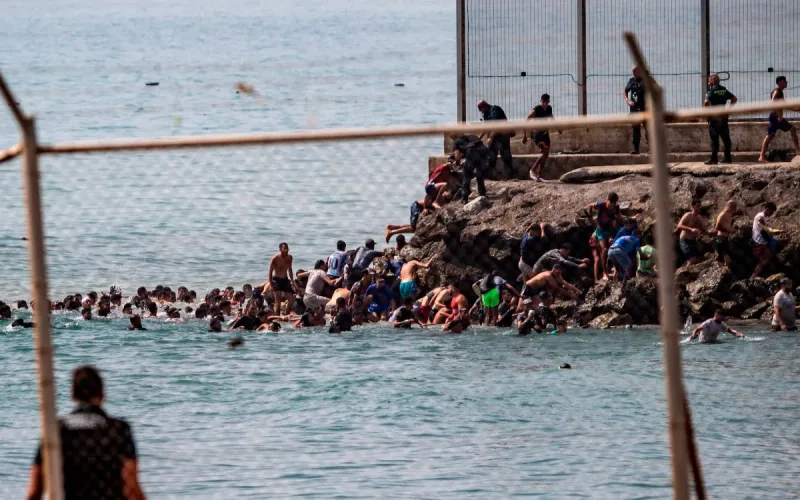
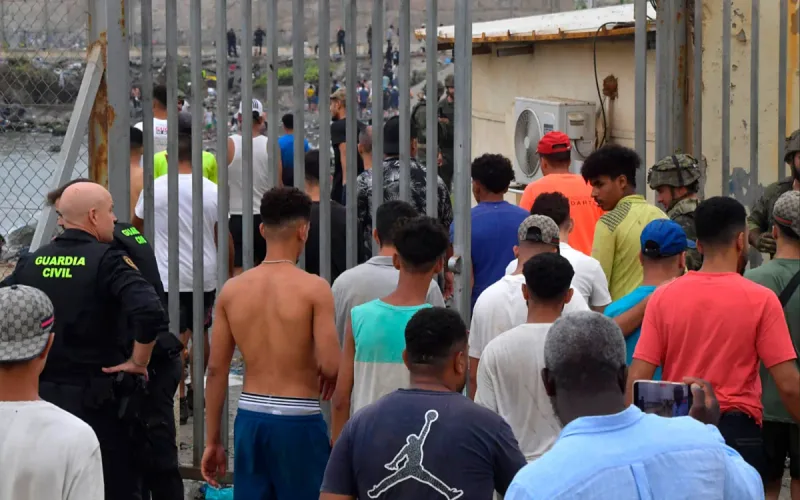
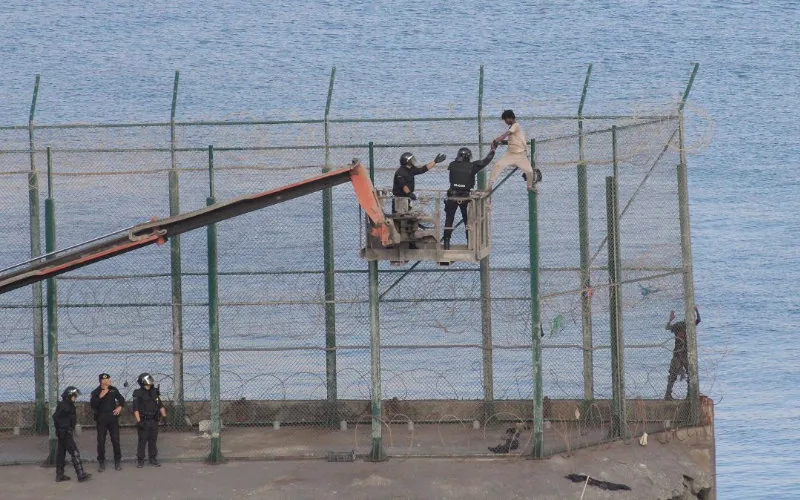
On 29 and 30 July, all these functions converged. Videos showed people traveling towards Fnideq, Facebook retained the practical information and messaging groups circulated meeting times. Digital activity was no longer limited to encouraging departures: it directly accompanied movements towards Ceuta.
The report does not, however, demonstrate either the existence of a single command or that of an organization controlling the entire campaign. It describes a decentralized network made up of profiles, groups and platforms with complementary functions. This structure explains why closing a few accounts was not enough to stop the circulation of messages.