Brain Drain Reversal: Moroccan Expats Return to Fuel Innovation and Education
The Council of the Moroccan Community Abroad (CCME) and the International University of Rabat (UIR) have conducted a study on Moroccans living abroad (MRE) who are returning to Morocco to work in various sectors, particularly education, and who are embarking on entrepreneurship.
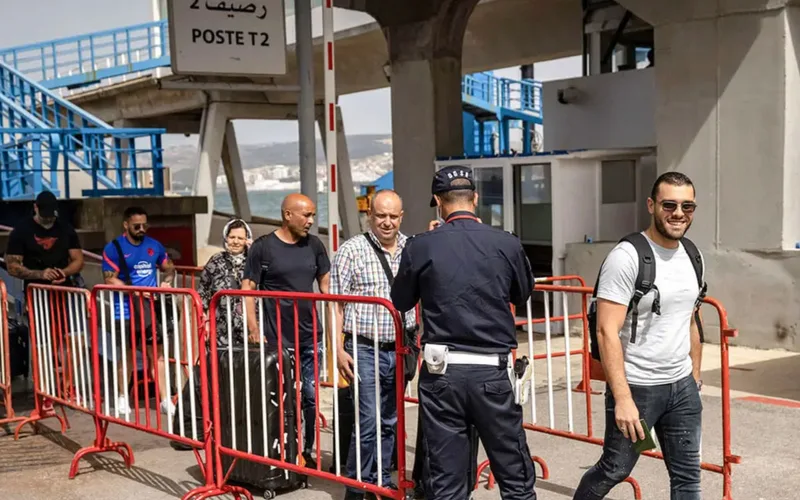
Entitled "Dynamics and drivers of the return of Moroccan skills from the world: an ethnographic focus on the academic environment and the world of entrepreneurship", the study shows that the MRE who are returning to settle in Morocco are investing in two central areas: the academic environment and entrepreneurship. According to the anthropologist Farid El Asri, one of the authors of the study, several reasons underlie the return of these MRE: family or emotional reasons for some, and the desire to actively participate in the development of the country, or the desire to create innovative and socially significant projects, for others. "The return is never a simple geographical return: it involves a reinvention of oneself, a negotiation between transnational identity and local belonging, as well as a redefinition of one’s professional and social role," he adds.
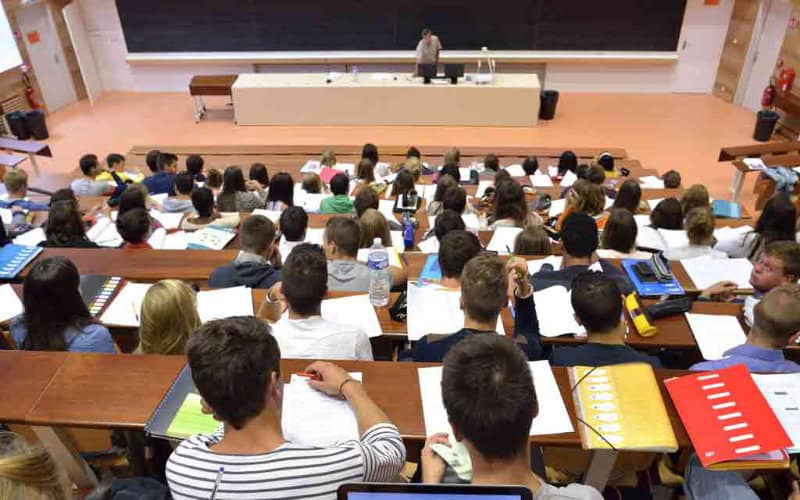
The majority of these MRE have a higher university degree and have diverse professional experiences internationally. They prefer to put their skills at the service of public-private partnership institutions. Simple motivation: these institutions offer greater pedagogical flexibility, international openness and linguistic diversity that facilitate the transition of skills from abroad, says Le Matin, adding that they also allow the articulation of international academic standards with local specificities, offering MDM an space for curricular innovation and intercultural dialogue. However, their integration is not easy. From the testimonies collected, there are recurrent institutional constraints: administrative slowness, structural rigidities, difficulties in obtaining positions or responsibilities in line with their qualifications, limited access to financing and the absence of mechanisms adapted to their specific needs.
But El Asri sees innovative responses through these constraints. "Diaspora entrepreneurs must deal with a sometimes rigid environment, but it is precisely this constraint that stimulates creativity. They use their social capital, their knowledge and networks acquired abroad, and develop flexible management and organizational modes," he explains. The diaspora thus becomes a potential driver of innovation. However, its integration requires recognition of the specificities of these transnational paths.
The study proposes a strategic vision to structure the mobilization of MDM skills. This will notably involve the creation of a Mohammedia Foundation for Moroccans Residing Abroad, whose mission would be to centralize and coordinate diaspora initiatives, support investment and streamline administrative procedures. This foundation would be considered as an executive arm of participatory governance, capable of bringing together public institutions, the associative world and the economic sector. The study also suggests developing scientific and entrepreneurial diplomacy: creation of incubators, mentoring programs, adapted financing and research hubs, in order to structure and channel the intellectual, technological and economic contribution of the MDM.
For El Asri, "understanding how the MDM settle, recompose their identity and negotiate their social integration amounts to recognizing their driving role in innovation, the renewal of social spaces, and the strengthening of the links between Morocco and its diaspora".