Belgium’s Prison Crisis: Why Moroccan Prisoner Transfers Are Failing
Belgium is struggling to ease prison overcrowding by transferring Moroccan prisoners to their country of origin. Diplomatic obstacles and the severity of their sentences are blocking numerous repatriation procedures, despite record pressure on the system.
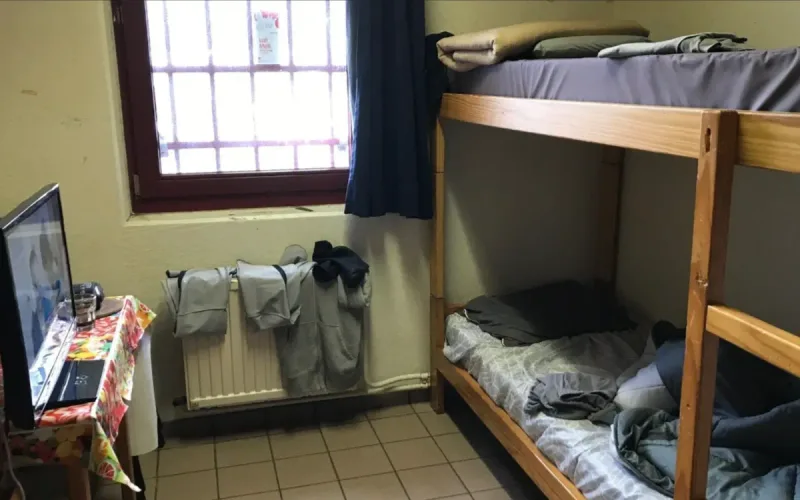
The Belgian prison system currently houses more than 13 400 people despite having capacity for 11 000 places. Faced with this record, the government is prioritizing the transfer of foreign convicts, who account for nearly 50 % of the prison population, so they can serve their sentences in their country of nationality.
On Bladi.net : Morocco-Belgium Extradition Deal: 132 Moroccan Inmates Sent Home, Reshaping Prison Demographics
However, carrying out these measures with Morocco remains complex. Unlike intra-European agreements, procedures with countries outside Europe depend on specific bilateral conditions that must be renegotiated regularly, considerably slowing the pace of departures.
According to prison-sector representatives, Morocco sometimes rejects transfer requests outright. These refusals occur particularly when convicts have received sentences considered too harsh by Moroccan authorities to be incorporated into their own judicial system.
On Bladi.net : Belgium is struggling to deport Moroccans
This situation leads to failed deportations after detention. Around 40 % of detainees passing through Tongres prison ultimately cannot be sent back and are released on Belgian soil, either because of a lack of cooperation or because of ties they have maintained with the country.